
Mission's Premise & Launch
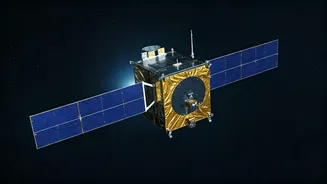
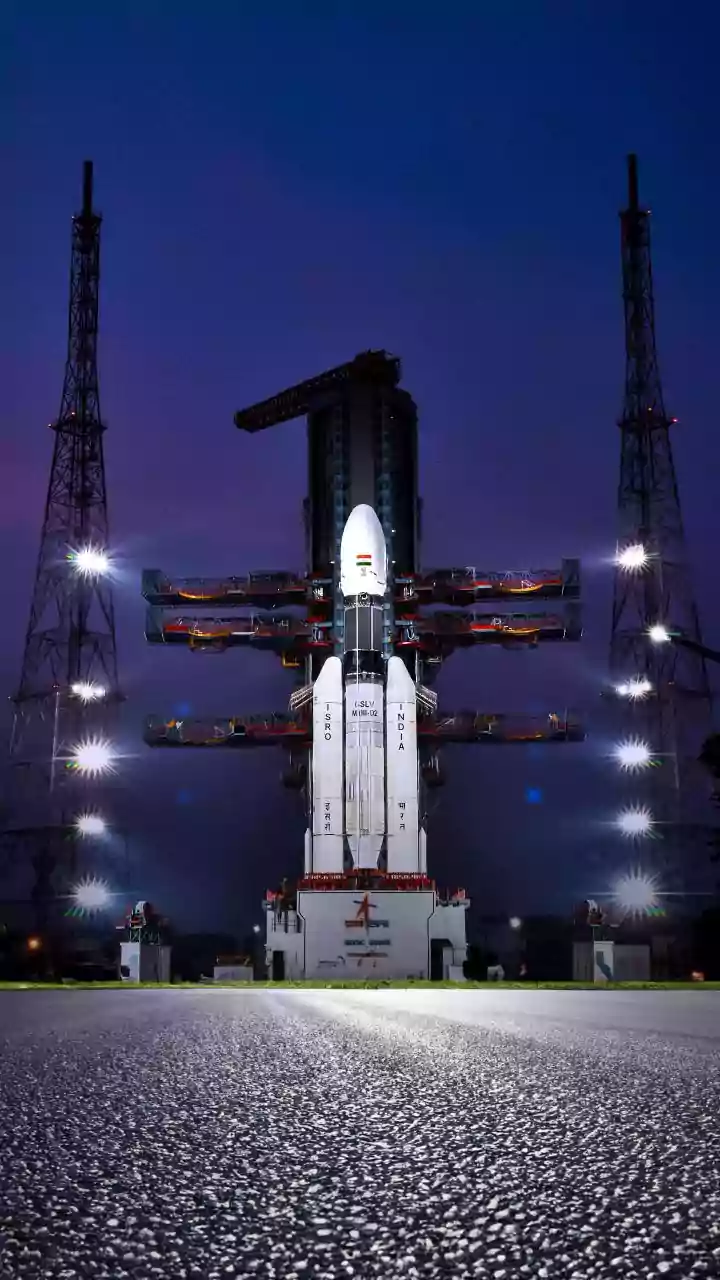
The PSLV-C62 mission, executed from Sriharikota, was designed to deploy the primary payload along with 14 other satellites into orbit. The launch aimed
to mark another success for ISRO, showcasing India's growing capabilities in space technology. The mission involved deploying multiple satellites, each with its own purpose, furthering India's footprint in space. However, during the mission, an unexpected issue arose, causing a deviation from the intended trajectory of the rocket. As the mission unfolded, real-time updates were provided to the public, documenting the progress and any encountered issues, keeping everyone informed of the launch and its various stages.
The Anomaly Unveiled
During the mission, ISRO reported that the PSLV-C62 had encountered an anomaly. This indicated that the rocket was not performing as expected, leading to the deviation from the planned flight path. Details about the specific anomaly remain under investigation. The impact of this anomaly was significant, as it affected the deployment of the satellites. Such issues are not uncommon in space missions, where numerous factors, from environmental conditions to technical malfunctions, can impact the success. ISRO is now tasked with analyzing the data to understand the root cause of the anomaly, with the aim of preventing similar issues in future launches and ensuring the reliability of its launch vehicles.
Impact and Implications
The failure of the PSLV-C62 mission has several implications. Primarily, it means that the planned deployment of the 14 satellites was unsuccessful. This could impact projects that relied on these satellites for data or services. Furthermore, it necessitates ISRO to review its procedures and technologies. Such failures provide valuable lessons, as they highlight areas for improvement in design, testing, and operation. ISRO must meticulously review the mission's data to pinpoint the exact failure points. This in-depth analysis is crucial for upgrading existing systems, and reinforcing quality assurance processes to reduce risks in upcoming missions. It also underscores the complexity of space missions and the importance of thorough planning and execution.
Future Endeavors and Outlook
Despite the setback, ISRO remains committed to advancing its space program. The failure of PSLV-C62 will serve as a learning experience, reinforcing the agency's resolve to succeed in space exploration. ISRO is expected to initiate a thorough review of the mission's data to pinpoint the causes of the anomaly. The agency is expected to refine their engineering processes, aiming to enhance the dependability of future launches. While this mission encountered difficulties, the long-term prospects for India's space program remain promising, given ISRO's track record of innovation and its dedication to pushing the boundaries of space exploration. Future missions will benefit from the analysis of this failure, improving the likelihood of future success.