





Mastering Shavasana
Shavasana, often misunderstood as mere rest, is a structured practice to consciously relax both your physical and mental being. To perform it effectively,
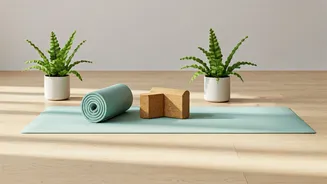
lie on your back with your arms comfortably by your sides and your legs slightly apart. Gently close your eyes and focus on a slow, rhythmic breathing pattern. This deliberate act of surrender allows your body to release accumulated tension and promotes a state of deep tranquility. It's about being present in the act of repose, not succumbing to unconscious sleep, enabling a profound sense of renewal and peace after a day's exertions.
Rechaka Pranayama for Nerves
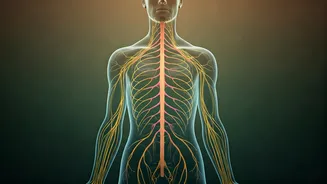
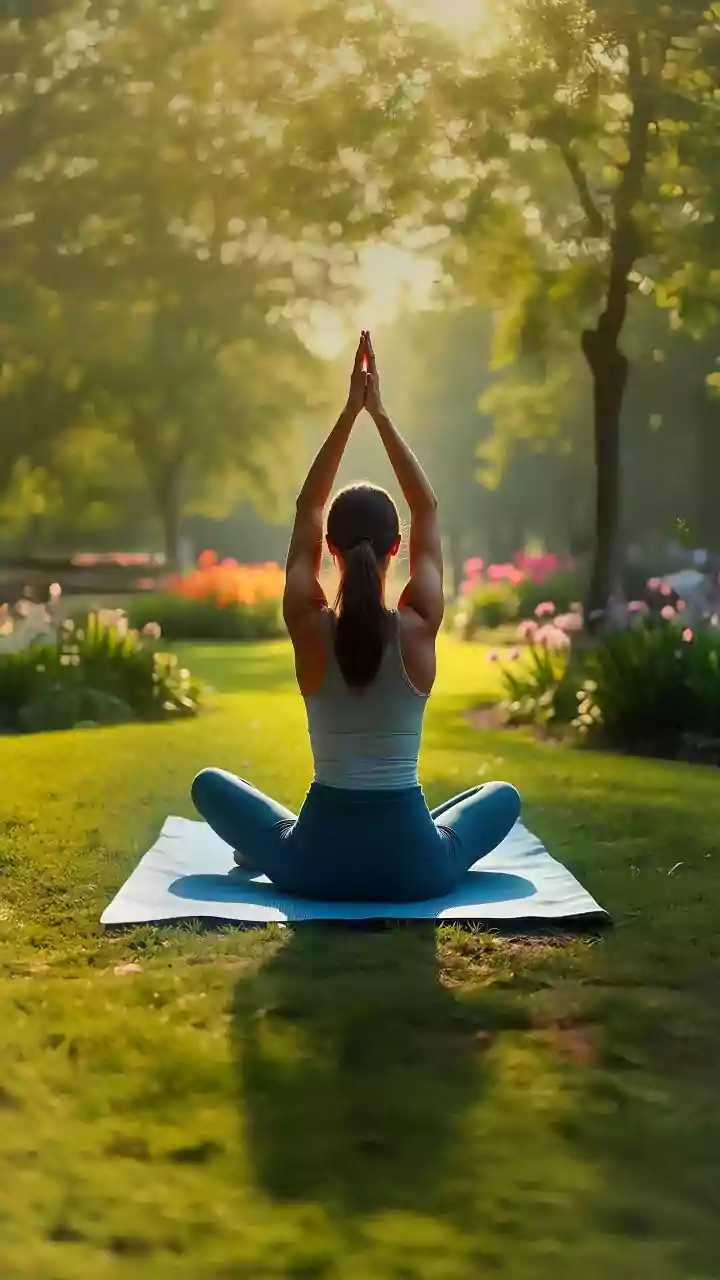
Rechaka, also known as Yogendra Pranayama 8 by The Yoga Institute, is a potent breathing technique designed to revitalize your nervous system and harmonize your energy. This practice cultivates a powerful sense of release, helping you to let go of overwhelming stressors and find a profound state of relaxation. The method involves sitting in a comfortable meditative pose with closed eyes. Begin by inhaling slowly and steadily for three seconds, followed by retaining the breath for six seconds. Finally, exhale gradually and continuously over twelve seconds, ensuring no abrupt movements. Repeating this cycle for 4-5 rounds can significantly calm your mind and restore balance.
The Power of Reflection
A cornerstone of effective relaxation involves cultivating self-awareness, particularly concerning your thoughts and the origins of your stress. By understanding what triggers your tension, you can develop a more adept approach to managing these situations. Throughout your day, from waking to sleeping, you engage in numerous activities. It is beneficial to establish a daily ritual, perhaps 10-20 minutes, of sitting quietly with closed eyes and observing the day's events as if watching a film. This practice enhances your consciousness of your actions and reactions, paving the way for more mindful responses and reducing the build-up of stress.
Shatapawali: Mindful Movement
Shatapawali is an ancient Indian tradition involving a gentle walk taken shortly after a meal. This simple practice serves as an excellent method for incorporating fresh air and light physical activity into a busy schedule. Whether you are at home or at work, Shatapawali can invigorate your mind and body, fostering enhanced creativity and concentration while simultaneously reducing stress. Even during work breaks, try to step away from your usual environment, perhaps by sitting near a window with a beverage, to gain a quick respite and recharge your mental faculties. This brief interlude can significantly boost your productivity and overall well-being.
Embracing Vairagya Bhava
The essence of Vairagya Bhava lies in adopting an objective perspective. Stress often arises when we become excessively entangled in specific situations or outcomes. Maintaining a relaxed state is significantly aided by detaching yourself emotionally and viewing matters with a balanced viewpoint. This approach helps prevent the accumulation of excessive thoughts, which can become a heavy burden. Throughout the day, strive to maintain mental equanimity. Approach each event and interaction with patience, grace, and mindful consideration for yourself and others. Prioritizing your body's and mind's need for attention and care is crucial for long-term sustainability and can fundamentally transform your outlook on life.