
Sweet Sesame Laddus
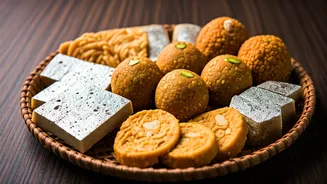
Sesame seeds, or til, are a Makar Sankranti staple, and til ke laddu is one of the most popular sweets. These small, round treats symbolize the sun's warmth
and the sweetness of life. Made primarily from sesame seeds, jaggery (or gur), and sometimes peanuts or nuts, they represent prosperity and good fortune. The preparation typically involves roasting the sesame seeds until fragrant, melting the jaggery to a syrup, and then mixing everything together. The mixture is then shaped into small, bite-sized balls. In many homes, these laddus are made fresh as part of the preparations for the festival, and they’re often exchanged among family and friends as a symbol of goodwill and shared joy. Their rich flavor and cultural significance make them an indispensable part of Makar Sankranti celebrations.
Gujarati Undhiyu Delights
Undhiyu, a mixed vegetable dish cooked upside down in earthen pots, is a special treat that's especially famous in Gujarat during Makar Sankranti. The name itself comes from the way it's cooked: 'undhu' means upside down. It usually features a variety of seasonal vegetables, such as potatoes, eggplants, beans, and root vegetables, all slow-cooked with a blend of spices. What makes Undhiyu particularly delicious is the method of cooking, often over a slow fire in an earthen pot. This traditional method not only imparts a unique smoky flavor but also helps the vegetables cook evenly. This dish is usually served with hot puris and creamy shrikhand. It is a hearty and flavorful dish, often shared with loved ones, making it a memorable part of the Makar Sankranti feast.
Til Chikki Magic
Til chikki, also known as sesame brittle, is another popular sweet made with sesame seeds. Similar to til ke laddu, it uses sesame seeds and jaggery, but the consistency is different. The sesame seeds are combined with melted jaggery and then spread thinly and allowed to cool and harden into brittle sheets. This offers a satisfying crunch and a sweet, nutty taste. The contrast in textures and the mix of flavors makes it a delightful treat for all ages. It is not just about the taste; it's a symbolic gesture, representing the hope for a sweet and prosperous year ahead. This makes til chikki an essential part of the offerings and gifts exchanged during Makar Sankranti, embodying the warmth and joy of the festival.
Moong Dal Khichdi
Moong dal khichdi is a comforting and nutritious dish that is frequently eaten on Makar Sankranti. The dish is a simple combination of rice and moong dal (split yellow lentils) cooked together with spices like turmeric, cumin, and sometimes ginger and garlic. Its simplicity makes it easy to digest, which is suitable for the seasonal changes. Often served with ghee, a dollop of yogurt, or a side of pickles, Khichdi provides a balanced meal with good carbs, protein, and essential nutrients. This dish symbolizes harmony and balance, both in the ingredients and in the festive spirit. Its simple yet delicious taste is very important in the celebrations, bringing a sense of warmth and nourishment to those who partake in the festivities.
Gajak Goodness
Gajak is a brittle sweet that is a staple for Makar Sankranti. It is mainly made from sesame seeds or peanuts and jaggery, giving it a rich, sweet taste. The ingredients are cooked and then spread thinly before setting and cooling into a crunchy treat. Gajak is known for its texture and the flavor combination of the sesame seeds or peanuts with the sweetness of jaggery. This sweet is not only a delight to eat but also symbolizes the welcoming of the sun and the beginning of warmer days. It's a favorite snack to enjoy while flying kites during the festival and is often given as a gift among relatives and friends, spreading happiness and prosperity.
Peanut Chikki Delight
Peanut chikki is a popular sweet enjoyed during Makar Sankranti. This treat is made by combining peanuts with jaggery and allowing it to set into a crunchy bar. The combination of the nutty peanuts and the caramelized jaggery creates a delicious and satisfying snack. It's a quick, easy-to-make sweet, which makes it perfect for the festivities. Peanuts bring their own nutritional benefits, packed with proteins and healthy fats. Peanut chikki is a great treat during this harvest festival, enjoyed by people of all ages. Its presence highlights the spirit of sharing and the festive vibes that define Makar Sankranti.
Puran Poli Tradition
Puran Poli is a sweet flatbread that is especially popular in Maharashtra. It's made with a filling of cooked chana dal (split chickpeas), jaggery or sugar, cardamom, and nutmeg. The dough for the outer layer is made from maida (refined flour) or wheat flour. The filling is stuffed inside the dough, which is then rolled out and cooked on a hot griddle with ghee until golden brown. Puran Poli is a rich, sweet dish that is often served with ghee or milk, adding to its deliciousness. It is often made during festivals like Makar Sankranti. The preparation is a communal activity, often involving family members working together. Eating Puran Poli is associated with prosperity and joy, making it a beloved tradition during the harvest festival.
Lentil Soup Comfort
Lentil soup is a nutritious and comforting dish that often accompanies Makar Sankranti celebrations, particularly in some regions. Lentils, which represent prosperity, are cooked with a mix of vegetables and spices, offering a warm, hearty meal. The soup's rich texture and flavorful taste make it an ideal dish for the cool weather, providing comfort during the festival. Lentil soup's simple ingredients and ease of preparation are a perfect choice during the busy festival preparations. The soup is usually served hot, often with a side of rice or bread, providing a balanced and nutritious meal. It’s a dish that brings families together, celebrating the harvest and the joy of sharing a meal during Makar Sankranti.
Sugarcane Juice Refreshments
Sugarcane juice is a widely available and refreshing beverage, often consumed during Makar Sankranti. The sweetness of sugarcane is symbolic of the sweetness and joy that the festival represents. The juice, extracted from fresh sugarcane stalks, is a natural energizer, and its simple sweetness is enjoyed by everyone. You’ll often find vendors setting up stalls to offer this drink, especially during this festive time, and the juice serves as a natural refreshment during the kite-flying sessions, which are a major part of the celebrations. Offering sugarcane juice also signifies a gesture of sharing and welcoming the new harvest with its natural sweetness and abundance. This refreshing drink is a great way to celebrate the warmth of the sun and the spirit of Makar Sankranti.
Kite-Shaped Sweets
During Makar Sankranti, sweets shaped like kites are often available and enjoyed as festive treats. These sweets, often made of sesame seeds, jaggery, or other festive ingredients, are designed to resemble the kites that are flown during the festival, connecting the food with the event’s playful side. Whether made as cookies, candies, or other forms, these themed treats enhance the joy and festivity. They represent the vibrant atmosphere and the excitement of kite flying, adding a playful element to the culinary traditions. This offers a fun way to celebrate the spirit of Makar Sankranti, connecting the joy of the festival to the delight of eating something sweet. These kite-shaped sweets highlight the cultural connections and the creative aspects that are part of the festivities.