
Dance and Robots
Researchers at the University of Maryland, Baltimore County (UMBC) have found a connection between robotic hand dexterity and the ancient art of classical
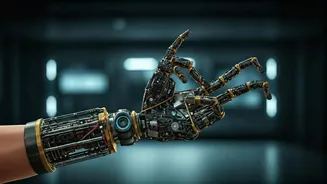
Indian dance. The research suggests that the hand gestures, known as mudras, which are an integral part of classical Indian dance, could be a key component in enhancing robotic hand control. This intriguing insight could revolutionize how robots are designed and how they interact with their surroundings. The study's findings are more than just an academic curiosity. They present the opportunity to significantly improve the capabilities of robotic hands, moving us closer to creating robots that can perform complex tasks with more finesse.
The Essence of Mudras
Mudras, the codified hand gestures of classical Indian dance, represent a rich vocabulary of movements, each one communicating specific ideas and emotions. They are meticulously designed and practiced, often involving intricate finger positions and subtle wrist movements. The UMBC study focuses on analyzing these movements to understand how the brain and body coordinate them. Researchers believe that the detailed choreography of mudras provides a blueprint for developing more agile and versatile robotic hands. The nuanced and specific nature of these gestures, honed over centuries, provides valuable data for engineers to replicate and program into robotic systems. By adapting these techniques, robotics can enhance the range and effectiveness of robotic hand control.
Dexterity: The Goal
The ultimate goal is to improve the dexterity of robotic hands, which is a major hurdle in current robotics development. Many robots can perform repetitive tasks, but they often struggle with the flexibility and adaptability of a human hand. The integration of mudra-inspired techniques could help bridge this gap. By mimicking the structure and functionality of the human hand, researchers aim to create robots that can grasp objects of various sizes and shapes, perform intricate manipulations, and respond to unpredictable situations. The application could extend to various fields, including manufacturing, surgery, and even space exploration, paving the way for more efficient and intelligent robots capable of intricate tasks. This research represents a significant step towards creating robots that are more adaptable and capable.
Implications and Future
The implications of this research extend far beyond the laboratory. As the study suggests, a new approach can change how we think about human-robot interaction. The integration of traditional knowledge, like Indian dance, with cutting-edge technology will promote innovations. The study is a call for further exploration, and the incorporation of mudras into robotics is only the beginning. With continuing research and development, we can expect to see robotic hands that are capable of tasks that were once considered the exclusive domain of humans. The findings could also influence how we learn and teach robotics in the future. The convergence of ancient artistic traditions and modern engineering presents a fascinating fusion, showcasing the potential of cross-disciplinary collaboration. The future of robotics may well dance to the rhythm of Indian mudras.