


The New Sanctuary
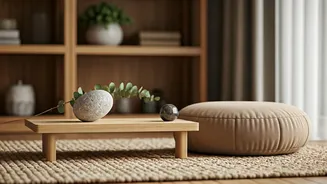
The essence of home design is undergoing a profound transformation, moving beyond mere aesthetics to encompass emotional and spiritual resonance. In our
era of constant digital stimulation and relentless demands, individuals are increasingly seeking refuge within their living spaces, viewing them as vital centers for emotional safety and mental restoration. This shift signifies a departure from past design paradigms focused solely on visual appeal, such as stylish furniture and ambient lighting, towards a more holistic approach. The core idea is to cultivate environments that foster inner peace and a sense of connection to something greater. Future interior design trends will be defined by these emotional connections, where spiritual elements act as foundational supports, helping people navigate a world saturated with sensory overload. These design choices serve as daily affirmations, allowing individuals to sustain their drive while carving out moments of tranquility, thus making homes more than just physical structures but profound personal havens.
Rise of Spiritual Decor
The demand for stability in our living environments is escalating as people contend with continuous disruptions, work pressures, and the pervasive fatigue from digital immersion. Consequently, contemporary homes are expected to fulfill a dual role: to provide a welcoming and positive experience for guests while simultaneously serving as a personal sanctuary for mental calm and spiritual equilibrium. This has led to the integration of elements such as sacred symbols, devotional art, handcrafted idols, and thoughtfully designed meditative corners, which have become indispensable for meeting emotional needs. Psychologists explain this phenomenon by referencing environmental psychology, which demonstrates how our surroundings significantly impact behavior, stress levels, and cognitive performance. By incorporating spiritual elements, individuals are essentially creating designated rest areas within their homes, transforming decorative choices into functional tools for well-being and mental rejuvenation.
Beyond Dedicated Spaces
Spirituality in home design has evolved beyond its traditional confinement to a specific prayer room. Today, these elements are seamlessly woven into everyday living areas, including living rooms, workstations, car interiors, and even balconies, reflecting a broader integration of spiritual practice into daily life. This evolution is fueled by a consumer desire for multi-functional decor that carries symbolic meaning, historical significance, and emotional depth, rather than solely decorative value. Two primary drivers behind this trend are the renewed appreciation for India's rich artistic heritage and the resurgence of sacred geometry patterns. Ancient motifs like the Swastika, Om, and lotus are being re-embraced not just as religious symbols but as cultural emblems representing prosperity, balance, and auspicious beginnings. Their integration into modern design, characterized by minimalist finishes, muted color palettes, and compact forms, allows these potent symbols to harmonize effortlessly with contemporary interior aesthetics.
Young Homeowners' Vision
A significant driving force behind this spiritual interior design movement is the younger generation of homeowners and first-time buyers. For them, acquiring property is an opportunity to craft a personal sanctuary that not only supports their aspirations but also maintains their connection to their community and heritage. Spiritual decor acts as a powerful bridge, linking personal ambitions with ancestral roots. This trend represents a departure from conventional practices, fostering mindfulness and meditation as integral aspects of modern living. The heightened awareness of mental well-being, particularly amplified in the post-pandemic era, has underscored the profound impact of indoor environments on our mental state, prompting people to invest in spaces that promote psychological health and equilibrium.
Functionality Meets Spirit
Modern homes are increasingly incorporating spiritual artifacts that serve a dual purpose: both functional and emotional enrichment. Smaller idols, wall hangings, and portable spiritual items allow for a personalized touch without creating clutter, with urban-friendly designs emphasizing durability suitable for bustling city lifestyles. These sacred interiors also foster intergenerational dialogue; for instance, grandparents can share traditions while millennials can appreciate aesthetic integration, and children can gain cultural insights through visual and symbolic representations. Handmade idols and traditional art pieces inherently possess the ability to tell stories and imbue spaces with intention, transforming a house into a truly mindful dwelling. Furthermore, these spiritual components serve as daily reminders to cultivate gratitude, maintain balance, and live with heightened awareness and intentionality.