




Light Fuels Photosynthesis
Plants are remarkably attuned to their environment, and one of the most crucial factors influencing their growth and reproductive success is sunlight.
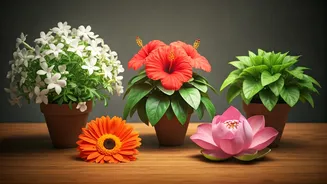
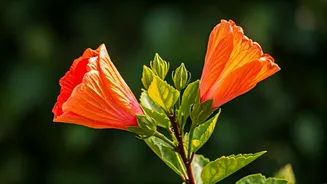
For flowering shrubs like hibiscus, the disparity in light exposure between the sunlit and shaded sides of the plant creates a significant difference in their energy production. Leaves bathed in ample sunlight can capture more usable light energy, leading to a higher rate of photosynthesis. This process converts light into sugars and starches, which are the fundamental building blocks for plant development. These vital resources are then directed towards nurturing new buds, fostering the growth of young fruits, and ensuring successful flowering. In contrast, leaves on the shaded side receive considerably less light, resulting in diminished photosynthetic activity. Consequently, the plant allocates fewer resources to these areas, often leading to buds remaining in a vegetative state, flowers aborting before they can fully develop, and newly formed fruits being shed prematurely.
Plant Signals and Shade Avoidance
Beyond just energy production, light quality plays a critical role in how plants interpret their surroundings and respond to potential threats. Leaves that are well-illuminated not only produce more sugars but also emit stronger biochemical 'signals' that encourage nearby buds to transition into flowers. These signals are crucial for initiating the reproductive process. Conversely, plants possess an innate ability to detect changes in light quality, particularly the ratio of red to far-red light, which is altered by shade. When a plant senses this shift, it interprets it as a sign of overcrowding or competition for light. In such scenarios, its priority shifts from reproduction to survival and growth. The plant will then actively attempt to extend its shoots and leaves, reaching outwards to secure more light for itself, often at the expense of flowering and fruit production. This 'shade avoidance syndrome' is a testament to the plant's adaptive strategies for survival in a dynamic environment.
Temperature's Role and Water Needs
While light is the primary driver, temperature also contributes to the uneven flowering pattern observed in plants. Warmer temperatures can indeed be beneficial, as they help to warm up the flower buds and accelerate their development, leading to quicker blooming. However, this warmth isn't without its drawbacks. Elevated temperatures can also increase the rate at which water evaporates from the plant's leaves through a process called transpiration. This heightened demand for water puts a strain on the plant's water supply. If the plant is unable to replenish this lost water quickly enough, it will respond by closing its stomata – tiny pores on the leaves that facilitate gas exchange, including the intake of carbon dioxide needed for photosynthesis. When stomata are closed, the rate of photosynthesis drops significantly, further limiting the plant's ability to produce the sugars necessary for robust flowering and fruit set, even if the temperature is favorable for bud development.
Pruning for Balanced Growth
Gardeners can influence the flowering patterns of their plants through strategic pruning. When a shrub or tree becomes too dense, with branches overlapping and creating significant shade within the canopy, it can lead to the one-sided flowering phenomenon. By carefully pruning the plant to allow more light to penetrate the inner parts of the canopy, you can create a more uniform environment for all the leaves. This increased light distribution throughout the plant enables more consistent photosynthesis across all sides. As a result, the plant is more likely to develop flowers and fruits evenly, rather than concentrating its reproductive efforts solely on the most exposed exterior. This practice not only promotes a more aesthetically pleasing and balanced appearance but also potentially leads to a more bountiful harvest of flowers and fruits overall.