







Robot's Extended Duty
In a remarkable display of technological advancement, a humanoid robot, developed by Figure AI, has successfully completed an entire eight-hour shift in
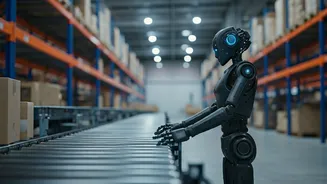
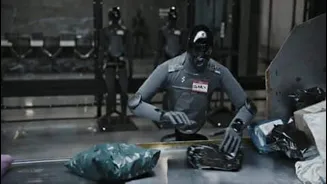
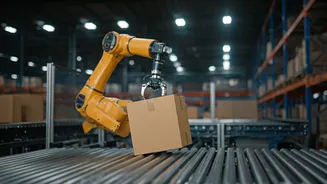
a warehouse environment, mirroring the duration of a typical human workday. This significant milestone was showcased via a live stream on X, demonstrating the robot's capability to perform repetitive tasks like moving delivery packages onto a conveyor belt without any interruptions. This achievement marks a crucial step forward in the quest for truly autonomous robots capable of handling sustained industrial operations. Previously, the robot's operational capacity was limited to one-hour continuous tests, but this extended demonstration pushes the boundaries of what's currently possible in long-duration robotic performance. The AI system powering this feat is known as Helix-02, representing the company's dedication to integrating sophisticated artificial intelligence into practical, real-world applications.
Autonomous Oversight & Failover
The development of a robust multi-robot coordination system was paramount for this extended operational test, addressing the inherent challenges of maintaining continuous function without human intervention. Figure AI anticipated that extended use could lead to potential equipment malfunctions, and thus engineered a system designed for autonomous failover. If any single robot encounters an issue, it possesses the ability to self-diagnose and, without human input, proceed to a designated maintenance area to request a replacement from the available fleet. This intelligent system ensures that the workflow remains uninterrupted, even in the event of individual robot downtime. This autonomous maintenance and replacement strategy significantly reduces the need for manual oversight, a critical factor in deploying robots in large-scale industrial settings where efficiency and uptime are key metrics.
Performance Metrics & Limitations
In terms of operational efficiency, the humanoid robot is reportedly nearing the performance levels of human workers in package-handling tasks. The CEO indicated that human workers typically process each package in about three seconds, and the company's robots are now approaching this benchmark. However, the livestream also shed light on some of the current limitations of the technology. While the robot successfully executed its assigned duties, its movements were observed to be slower than what would be expected from a human performing the same tasks. There were also instances where the robot paused momentarily before resuming its work, suggesting that further optimization is needed to achieve human-like fluidity and speed. The robot's battery life also necessitates a recharge or swap after approximately three to four hours of continuous operation, though the autonomous replacement system helps mitigate this.
Future of Industrial Robotics
This comprehensive demonstration underscores a significant shift in the focus of humanoid robotics companies. The trend is moving away from short, attention-grabbing viral videos towards proving the viability of long-duration, autonomous industrial work. Reliability and the capacity for continuous operation are rapidly becoming as crucial as the sophistication of a robot's movement capabilities. As these systems become more adept at self-management, error correction, and sustained task execution, their integration into supply chains and manufacturing facilities is likely to accelerate. The ability for robots to operate for extended periods, handle unforeseen issues autonomously, and approach human performance levels signals a transformative era for the industrial sector, promising enhanced productivity and potentially reshaping the nature of human-robot collaboration.