




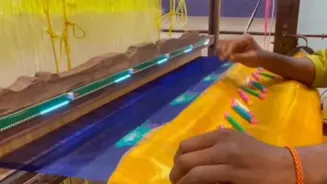

Varanasi: Silk's Golden Heart
Varanasi, often called Banaras, is a living tapestry of woven artistry, renowned for its Banarasi silk sarees. These are the epitome of Indian textile
luxury, distinguished by intricate Zari work, where threads of gold and silver create patterns that shimmer like liquid metal on fabric. These opulent sarees are typically reserved for significant celebrations and grand events, frequently showcasing Mughal-inspired designs such as delicate floral vines ('bel') or elaborate hunting scenes ('shikargah'). Navigating the maze-like streets of Thatheri Bazar or Godowlia Market might seem daunting, but it's an integral part of the authentic experience. For a more intimate encounter with the craft, seek out the weaver communities in areas like Peeli Kothi. Acquiring a genuine Banarasi saree is a significant investment, a timeless piece intended to be passed down through generations.
Kanchipuram: The Silk Sanctuary
In the South, Kanchipuram stands as the counterpart to Banaras, a town steeped in silk-making tradition situated near Chennai. The Kanjeevaram silk saree is celebrated for its substantial weight and the distinct 'Korvai' weaving technique. This method involves separately weaving the border and the saree's body before interlocking them with a characteristic zigzag seam, creating a remarkably durable and structurally sound garment. The result is a drape with exceptional resilience and striking, high-contrast color combinations. Gandhi Road is lined with numerous silk emporiums, but for assured purity and value, the Arignar Anna Silk Cooperative Society offers government-certified quality without the premium price tag.
Kolkata: Artistic Threads Flow
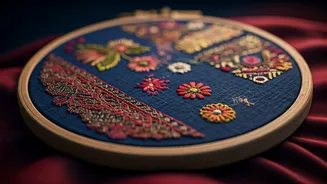
Kolkata presents a delightful alternative to heavier silks, focusing on narrative and comfort in its textile traditions. The Tant, a cotton saree, is prized for its crispness, lightweight feel, and inherent elegance, making it exceptionally breathable. For those seeking more theatrical designs, the Baluchari saree features a pallu that functions as a canvas, intricately woven with scenes from epic tales like the Ramayana or Mahabharata. The Kantha technique, rather than a weave, is a meticulous embroidery process that transforms plain fabric into textured art through extensive running stitches. For an immersive shopping experience, Gariahat market offers a vibrant, bustling atmosphere, while Dakshinapan provides a more organized selection of state-approved handlooms.
Mysore: Understated Silk Elegance
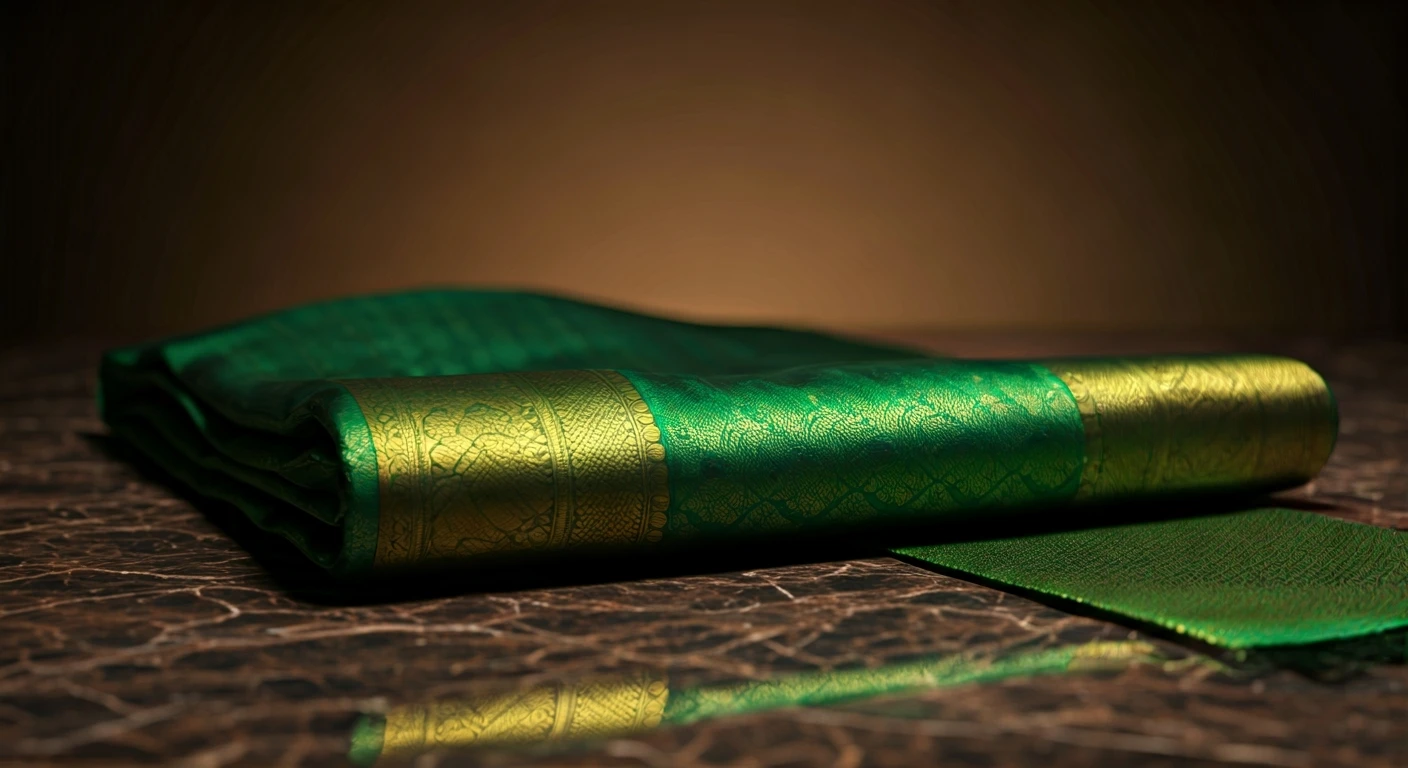
Mysore silk embodies the principle of 'less is more,' appealing to those who favor subtle luxury. These sarees are distinguished by their exceptionally soft, buttery texture and a unique crepe finish, allowing them to drape fluidly like a second skin, unlike the stiffness found in some other silks. Traditionally, Mysore silk sarees feature rich, solid jewel tones accented with a simple yet elegant gold border. The most dependable source for authentic Mysore silk is the KSIC (Karnataka Silk Industries Corporation) Mysore Silk Factory outlet. Each saree comes with a hologram and a unique identification number, guaranteeing the purity of the silk and gold used.
Surat: Textile Manufacturing Hub
Surat is a powerhouse in India's textile industry, globally recognized for synthetic fabrics but also holding treasures in heritage silks like Tanchoi and Gajee. Tanchoi, originally introduced by Parsi traders, is a complex weave producing a satin-smooth surface adorned with subtle, embossed patterns. Surat is also the go-to city for high-quality georgettes and chiffons that maintain a luxurious feel. While markets like Bombay Market or those along Ring Road are vast and commercially oriented, lacking the quaint charm of other textile towns, they offer unparalleled variety and competitive pricing, making Surat an unbeatable destination for sheer volume and value.