


Litti Chokha's Rise
Originally a hearty, budget-friendly meal for farmers and travelers in Bihar and eastern Uttar Pradesh, litti chokha exemplifies resourcefulness. This
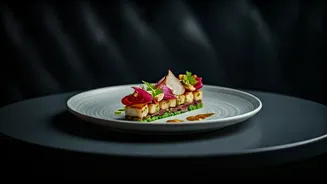
dish, featuring wheat dough balls stuffed with spiced sattu and roasted, was traditionally served with mashed vegetables. Its practicality lay in using readily available, inexpensive ingredients, making it a substantial meal for those with limited means. Now, celebrated through regional pride and growing food tourism, litti chokha has undergone a gourmet metamorphosis. Refined versions, often drizzled with ghee and presented with artful accompaniments, are featured in upscale establishments, transforming a dish of survival into a cherished regional delicacy admired for its rustic authenticity and evolved presentation.
Dal Makhani's Grandeur
Dal makhani, now a symbol of culinary indulgence, began its life as a straightforward, protein-rich meal in Punjabi farmhouses. Crafted from whole black lentils and kidney beans, it was meticulously slow-cooked overnight over wood fires, a practice dictated by necessity rather than luxury. This patient cooking method ensured tender lentils, providing sustenance for hardworking farmers after their day's labor. The subtle smokiness imparted by traditional hearths enhanced its flavor profile organically. Initially, butter and cream were used sparingly, with their lavish inclusion becoming a later innovation by Delhi restaurants aiming to entice urban palates. Today, this slow-simmered lentil dish is a hallmark of upscale North Indian dining, celebrated for its deep, smoky notes achieved through time-honored cooking, a far cry from its modest agricultural roots.
Khichdi's Noble Transformation
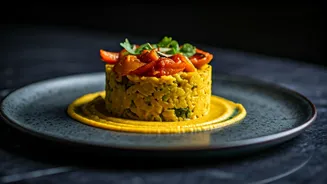
For centuries, khichdi has been the epitome of simplicity, recovery, and economic prudence. This unpretentious blend of rice and lentils, requiring minimal seasoning, was a staple in households across India, especially during times of scarcity or for those recovering from illness due to its easy digestibility. Its true strength lay in its adaptability, with regional variations reflecting the local availability of grains and climate. Khichdi was a meal of care, prepared for the young, elderly, and infirm, signifying comfort and nourishment over culinary extravagance. Ironically, in the contemporary era, the wellness movement has elevated khichdi to 'superfood' status. Gourmet restaurants now craft elaborate versions, incorporating exotic vegetables, truffle oil, or artisanal ghee, celebrating what was once considered plain as a pinnacle of balanced, mindful eating.
Ragi Mudde's Revival
In the southern Indian states of Karnataka and surrounding regions, ragi mudde, or finger millet balls, was traditionally a cornerstone for agricultural laborers. Finger millet, being affordable, resilient, and highly nutritious, provided sustained energy essential for physically demanding work, often paired with sambar or spicy gravies. Beyond its nutritional value, ragi mudde represented deep-rooted agricultural wisdom, thriving in arid conditions where other crops faltered. Its preparation involved generational culinary knowledge, weaving it into the fabric of community and land. Urbanization and evolving dietary preferences led to its marginalization, perceived as outdated. However, with a resurgence of interest in millets and sustainable eating, ragi has been rediscovered for its health benefits. Today, urban eateries and health-conscious cafes are showcasing ragi dishes as premium, eco-friendly choices, repositioning this humble staple as modern wellness cuisine.
Sarson Saag's Elegance
This beloved Punjabi winter pairing of sarson ka saag (mustard greens curry) and makki di roti (maize flatbread) originated as a seasonal, rural sustenance. Mustard greens and maize flour were accessible and well-suited to the cold climate, forming the basis of a warming and energy-giving meal for farmers. Prepared slowly over wood fires, the saag was often made in large quantities to feed entire families engaged in arduous field work. It provided vital warmth and lasting energy throughout harsh winters, becoming intrinsically linked to agricultural cycles and communal gatherings. Today, sarson ka saag is revered as heritage cuisine. Restaurants highlight its traditional cooking methods, slow preparation, and generous dollops of white butter, commanding prices that reflect its elevated status far beyond its humble origins, with its rustic authenticity now a key draw for discerning diners.
Pakhala Bhat's Sophistication
In Odisha, pakhala bhat, a simple preparation of fermented rice soaked in water and seasoned with salt, chilies, or basic accompaniments, served as a cooling summer meal for working-class families. This dish was not only a practical way to use leftover rice but also an effective method for combating intense heat. Its simplicity was deeply connected to seasonal rhythms and agricultural life, offering hydration and sustenance during demanding physical labor. Pakhala bhat embodied resourcefulness, blending comfort, sustainability, and practicality. Modern nutritional insights have brought fermented foods to the forefront for gut health, and chefs are now embracing pakhala for its probiotic properties. Upscale renditions, featuring thoughtfully curated sides and engaging regional narratives, have successfully elevated this once overlooked dish into the culinary spotlight.
Misal Pav's Popularity
Misal pav emerged in Maharashtra as an economical street food designed to be filling and accessible. Comprising sprouted lentils in a fiery gravy, topped with crispy farsan, it offered a potent combination of flavor and nutrition at a low cost, making it a favorite among laborers and students. Vendors often prepared large quantities early in the day, providing a quick, energizing meal for those heading to work. Its bold spice profile, balanced by the soft pav, offered both comfort and stimulation, fitting perfectly into Maharashtra's dynamic urban food landscape. Over time, distinct regional variations emerged, each with its unique blend of heat, texture, and tang, leading to passionate debates among locals about preferences. Today, specialized eateries vie to present the most authentic or innovative misal pav, transforming everyday sustenance into a theatrical gastronomic experience with premium ingredients and artistic plating.