




Mission Overview
The PSLV-C62 mission by ISRO constitutes a crucial stride within the Indian space program. This section delves into the mission's fundamental goals. It
encompasses a description of the launch vehicle, the Polar Satellite Launch Vehicle (PSLV), known for its versatility. The PSLV-C62 mission aims to place satellites into specific orbits, furthering India's capabilities in areas such as Earth observation, communication, and scientific research. The payload, which includes several satellites, is intended to perform various functions. These range from gathering data on environmental conditions to boosting India's communication infrastructure. The successful completion of this mission is crucial for India’s position in the global space arena.
Launch Vehicle Details
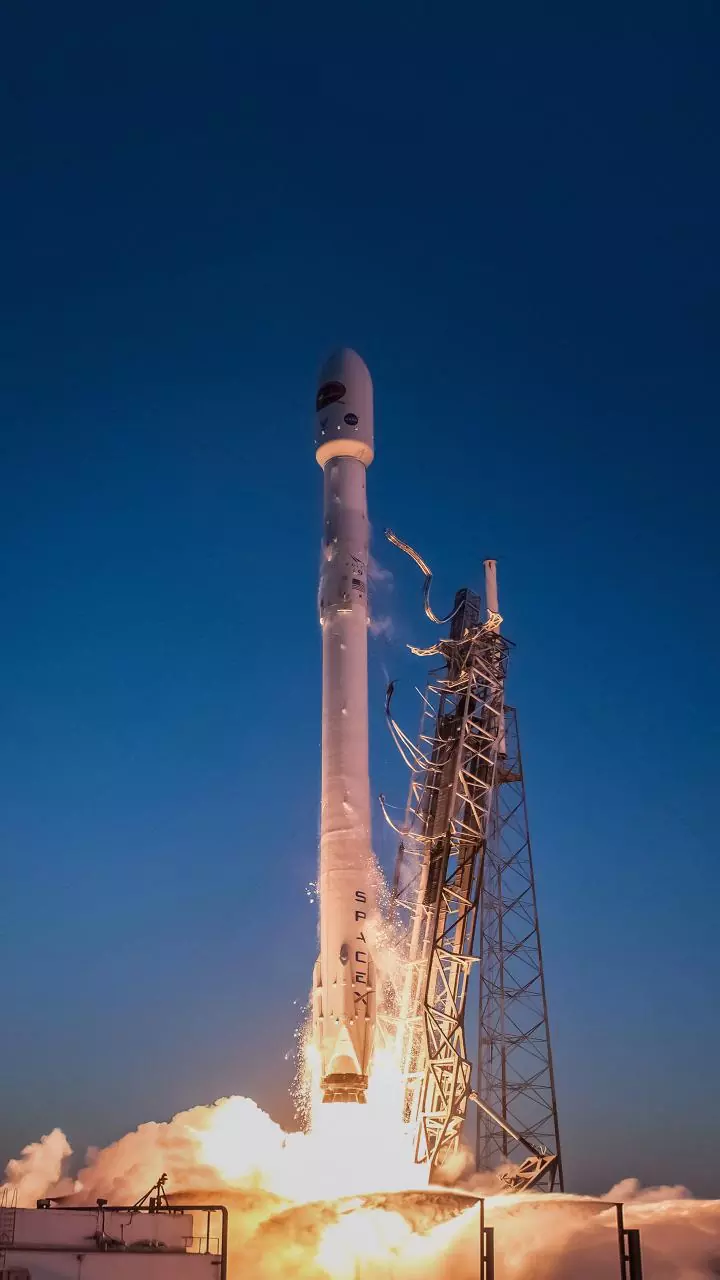
The PSLV is a workhorse for ISRO, celebrated for its reliable performance and adaptability. This section provides an in-depth look at the PSLV-C62 launch vehicle. It describes the rocket's configuration, detailing its stages and propulsion systems. Key features of the PSLV, like its ability to launch multiple satellites into different orbits during a single mission, are highlighted. The engineering involved in the launch process, including pre-launch preparations, the countdown sequence, and the ascent of the rocket through the atmosphere, is elucidated. Details on the mission’s trajectory and orbital parameters are also presented, demonstrating the precision with which the PSLV places its payloads into their designated locations in space.
Payload Composition
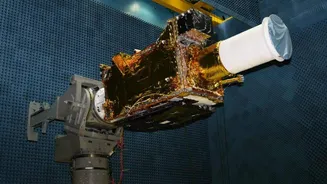
The PSLV-C62 mission carries a variety of satellites, each with its own purpose. This segment looks into the payload's makeup, revealing the kinds of satellites onboard. Each satellite’s design is tailored to specific tasks, such as observing the Earth or providing communication services. The section explains the satellite's primary functions, which may involve gathering data on climate change, monitoring natural disasters, or supporting high-speed internet. Details regarding the satellite's instrumentation and its capacity to gather vital information are presented, emphasizing their contribution to scientific research and technological advancement. This segment also underlines the significance of these satellites in promoting India’s space program and its technological capabilities on a worldwide scale.
Mission Objectives
This section outlines the goals of the PSLV-C62 mission. It covers the multiple objectives, from improving Earth observation capabilities to extending communication networks. It details how the mission contributes to India's space science research, supporting studies of the environment and contributing to the body of global knowledge. These objectives not only serve scientific and practical aims but also represent India's commitment to innovation and progress in the field of space exploration. The data and insights produced by the mission will contribute to advancements in weather forecasting, resource management, and telecommunications, therefore benefiting society.
Significance & Impact
The PSLV-C62 mission symbolizes an important step in India’s space exploration endeavors, as it strengthens the country's position in the global space community. The successful execution of such missions elevates India's technological capabilities and boosts its reputation on an international level. This section further explores the possible impact of the mission on various sectors, including scientific research, environmental monitoring, and economic development. The mission's success can drive advances in space technology, potentially creating new opportunities for Indian industries and promoting growth. The long-term effects of the mission extend beyond its immediate achievements, setting the stage for more ambitious space projects and expanding India's space program.