






Marine Microbial Marvels
An extensive international study, part of the Tara Pacific expedition, has unveiled an astonishing diversity of life within coral reefs, identifying more
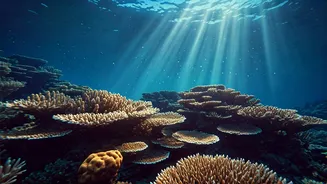
than 4,000 distinct microbial species. Remarkably, a staggering 99 percent of these organisms were entirely new to scientific understanding, marking them as a significant 'molecular goldmine.' These microscopic inhabitants are adept at producing unique chemical compounds, which researchers believe could form the basis for developing novel antibiotics to combat resistant infections, potent anti-cancer therapies, and innovative biotechnological solutions. The research, which meticulously mapped 99 reefs across 32 islands, cataloged an impressive 645 entirely new microbial genomes, underscoring that coral reefs are not just visually spectacular environments but are also crucial biological libraries brimming with the potential for future medical breakthroughs that have yet to be fully explored or understood.
The Reef's Medicinal Potential
Collaborative efforts involving researchers and the Tara Pacific consortium have spotlighted coral reefs as a prime location for future biotechnological discoveries, likening them to a 'molecular goldmine.' Following an in-depth analysis of approximately 5,000 samples collected from various reef locales, scientists realized the immense complexity harbored by these ecosystems, far exceeding prior assumptions. Within this rich collection of biological resources, specialized bacteria and other microbes were found to be actively synthesizing secondary metabolites. These substances are naturally developed by marine organisms to protect themselves against diseases and environmental adversities. However, scientists are now keenly interested in harnessing these evolved defenses for the creation of new pharmaceutical agents and efficient biotechnological catalysts, opening up a new era of drug discovery and development.
Unlocking Coral Genes
In a landmark scientific endeavor, researchers meticulously gathered data from 99 distinct coral reefs spanning the vast Pacific Ocean. Employing cutting-edge genomic sequencing technologies, they successfully reconstructed the genetic blueprints of the myriad microbes residing within these corals. The findings were extraordinary: over 90 percent of the identified microbial species were previously unknown to the scientific community. This comprehensive genetic database, compiled through extensive research, now provides an unparalleled resource for understanding the specific functions and interactions of each microbe. This deep genetic insight is poised to significantly guide and accelerate future medical research endeavors and conservation initiatives aimed at preserving these vital marine environments.
Fighting Superbugs Naturally
Scientists have highlighted that the microbes inhabiting coral reefs have evolved over millennia, developing sophisticated chemical defense mechanisms essential for their survival in competitive underwater ecosystems. These natural protective compounds are of immense interest to medical science, as they often exhibit modes of action that closely mirror how modern drugs interact with harmful bacteria and viruses. By investigating these intricate natural systems, researchers are hopeful about discovering novel strategies to combat the growing threat of antibiotic-resistant infections, as well as developing treatments for other complex chronic diseases that currently pose significant challenges to healthcare systems worldwide.
Protecting Future Cures
A critical insight emerging from the research is the intimate connection between the vast microbial diversity found in reefs and the potential life-saving medicines it contains, all of which are intrinsically dependent on the health of the coral host. As rising sea temperatures place these delicate ecosystems under severe stress, this hidden biodiversity, and the potential medical solutions it offers, faces an unprecedented threat. Consequently, the urgent need to safeguard coral reefs extends beyond environmental concerns; it is now paramount for the future of medicine. The irreversible loss of a coral reef could mean the permanent disappearance of a unique chemical compound, a potential cure lost before its existence is even known or its benefits to humanity can be explored.