


Preserved Delights
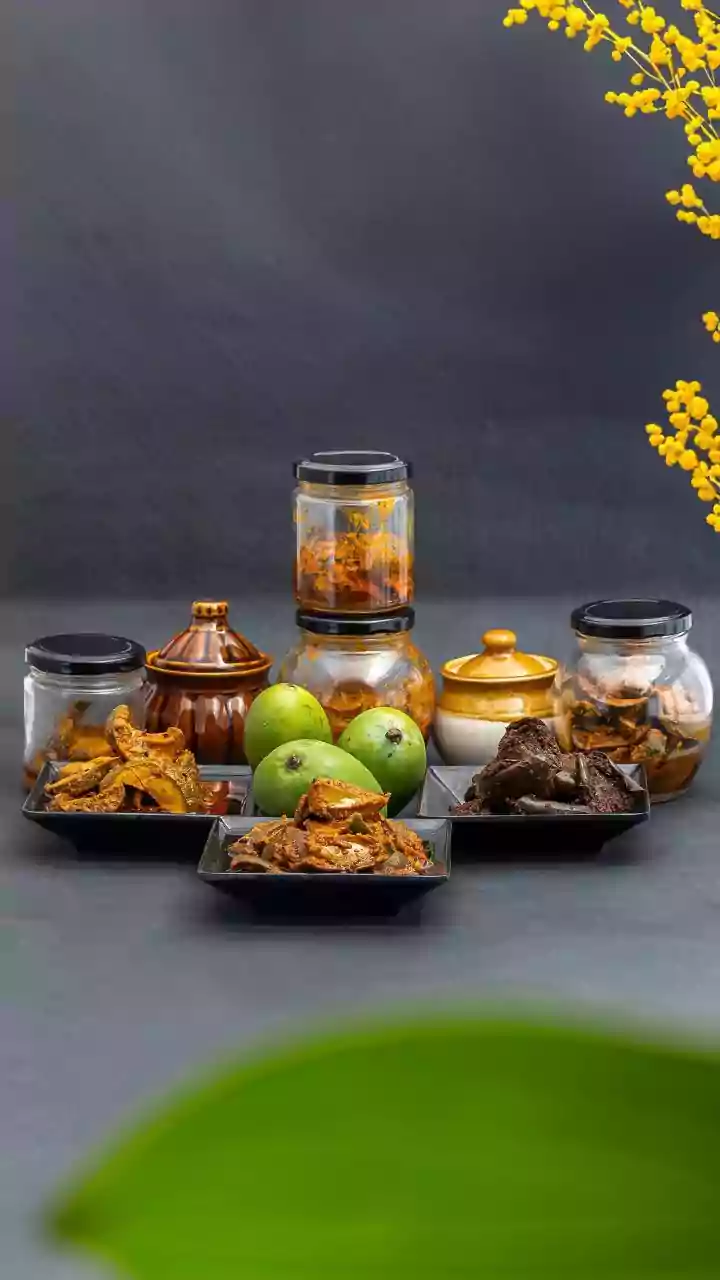
Before refrigeration, Indian travellers relied on a variety of pickles and preserved chutneys to make their meals palatable and safe. These potent concoctions,
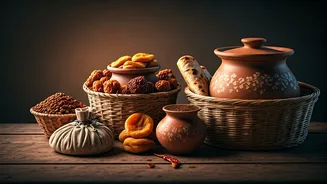
typically made with oil, salt, and an acidic component like vinegar or raw mango, served a dual purpose: seasoning bland staples and acting as natural preservatives. Fruit and vegetable preserves, often stored in oil or thick sugar syrups, were also vital. Their concentrated nature meant a little went a long way, effectively masking the staleness of accompanying breads or rice when hot meals were unavailable. This clever use of ingredients ensured that even simple sustenance could be transformed into a satisfying experience, crucial for enduring long and arduous journeys across varied terrains and climates. The tangy and savoury notes provided a much-needed flavour boost, making the travel experience more bearable.
Sun-Dried Sweetness
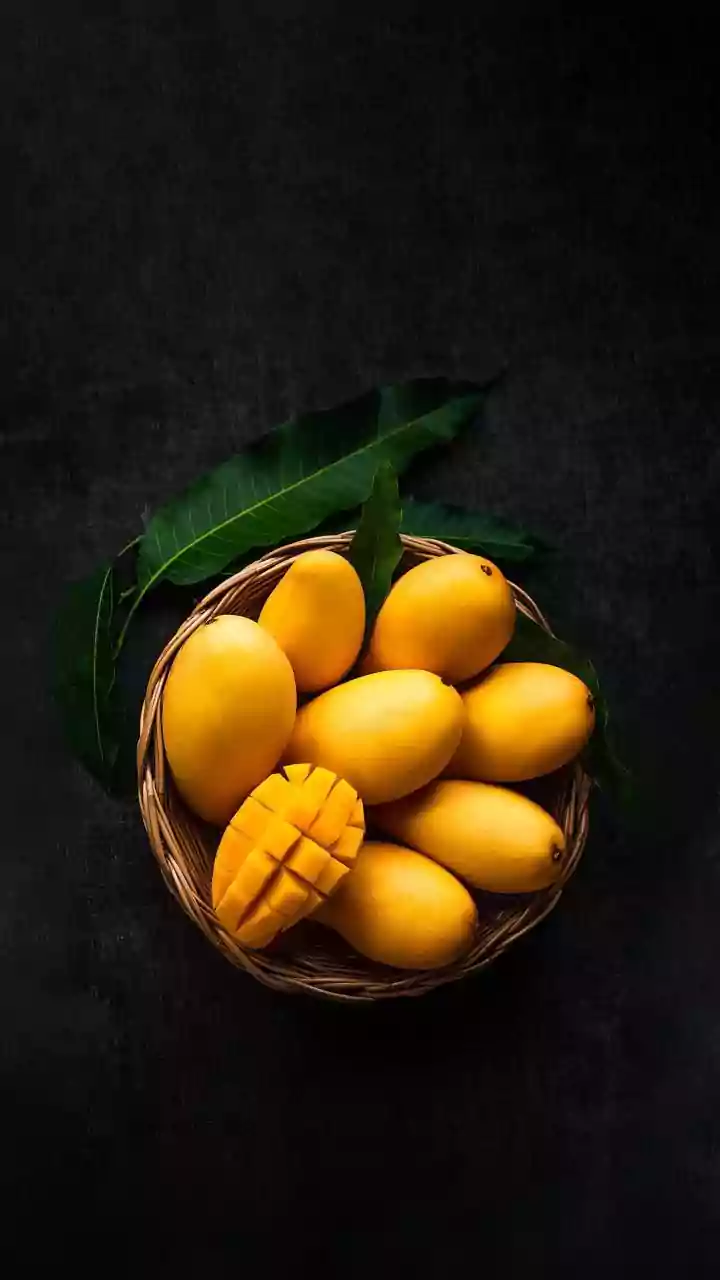
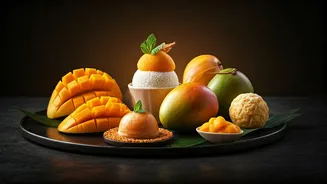
Sun-dried fruits, particularly Aam Papad (mango leather), were a staple for travellers seeking a quick energy boost and a sweet, tangy treat. By carefully removing moisture during the drying process, these fruits not only achieved a significantly extended shelf life but also had their natural sugars concentrated, offering readily available calories. Fruits like mangoes and bananas, abundant during harvest seasons, were meticulously prepared using reliable sunlight and then transformed into thin, flexible sheets or dried pieces. This not only intensified their flavours but also created a compact, lightweight food item perfect for packing. Often wrapped in protective layers like waxed paper or banana leaves, these dried fruits were tucked away safely, providing a delightful contrast to savoury meals throughout the journey and embodying a smart approach to food preservation.
Hearty Baked Treats
Sweet, dense confections like Thekua and various Laddoos were indispensable travel companions across different regions of India. Thekua, a traditional cookie from Bihar made with wheat flour and jaggery, and laddoos crafted from ingredients like gram flour (besan), sesame seeds (til), or coconut, were ideal for long journeys. Their high sugar or jaggery content naturally acted as a preservative, while their solid, dry texture minimised the risk of crumbling during transit. Families would prepare these in advance, often employing techniques like using ghee and toasted flours to reduce moisture content, a primitive yet effective preservation method. These provided a quick source of calories, lasted for several days, and even served as festive treats if journeys coincided with important occasions.
Crisp Khakhra
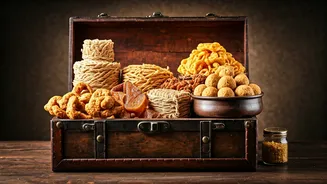
Khakhra, a thin, roasted flatbread originating from Western India, was a reliable and long-lasting food for travellers. Essentially a thoroughly dried roti, it was made by rolling dough paper-thin and roasting it until exceptionally crisp, rendering it highly resistant to moisture and damage. To ensure maximum preservation and flavour, families would stack multiple layers of khakhra, often separated by cloth, and sometimes lightly smear them with ghee. These were then carefully packed into tins for travel. Khakhra could be enjoyed plain, with a touch of jaggery, or paired with pickles, making it a versatile option. Its extended shelf life and minimal weight made it a practical choice for daytime journeys when hot meals were not an option.
Puffed Rice Snacks
Puffed rice, known as Murmura, and its spiced variations, Chivda, represent the pinnacle of lightweight and voluminous travel food. These were prepared in large batches and seasoned with a mix of ingredients like peanuts, roasted lentils, curry leaves, and a hint of lime or salt. The aerated nature of puffed rice made it incredibly light yet substantial in volume, providing a satisfying, crunchy snack to combat hunger during long travel stretches. While susceptible to softening in humidity, it wouldn't spoil quickly, and portions could be easily replenished from communal containers. This made it an efficient and adaptable food choice for journeys of all lengths.
Protein Powerhouses
Sattu, made from roasted gram flour, alongside whole roasted gram (chana) and peanuts, offered a vital source of protein for travellers on the move. Sattu could be conveniently carried as a dry flour and mixed with water or buttermilk at rest stops to create a revitalising drink. Roasted chana and peanuts, requiring no preparation, provided sustained energy release throughout the day. In central and eastern India, travellers often carried small earthen pots filled with sattu, which could be mixed with sour yogurt or jaggery to form a filling and cooling meal that was more durable than fresh pulses, ensuring essential nutrition even far from home.