





Understanding Hantavirus Transmission
Hantaviruses, a group of viruses, are primarily transmitted to humans through the inhalation of aerosols from the urine, feces, and saliva of infected
rodents. While this is the main route, certain strains, like the Andes hantavirus, can also spread from person to person. This respiratory transmission typically occurs via droplets, making close contact a significant factor. The World Health Organization (WHO) has recently highlighted that the period when an infected individual first begins to show symptoms is when the virus is most potent in terms of contagiousness. This crucial window of high infectivity underscores the urgency of identifying and isolating cases promptly to break chains of transmission, especially in environments where people are in close proximity.
Cruise Ship Outbreak Insights
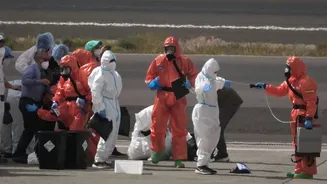
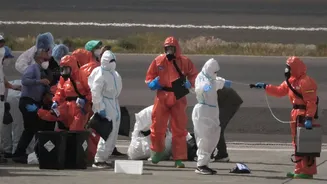
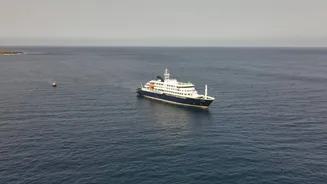
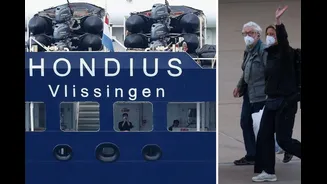
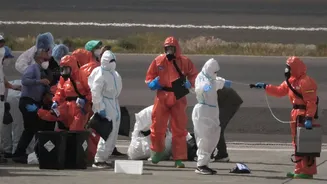
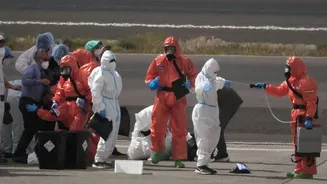
A recent outbreak aboard the Dutch-flagged cruise ship MV Hondius brought the dangers of Hantavirus into sharp focus. The Andes hantavirus strain, known for its limited human-to-human transmission capability, was identified as the cause. This incident tragically led to three fatalities and raised international alarm as passengers disembarked and returned to various countries. The WHO's advisory to quarantine nearly 150 individuals who were on board for six weeks is based on the Andes virus's extensive incubation period, which can stretch up to 42 days. The average onset of symptoms is around three weeks, but the virus can lie dormant for extended durations, necessitating a precautionary approach to quarantine.
Early Symptoms and Vigilance
The challenge with Hantavirus, particularly the Andes strain, lies in its initial symptoms, which can be mild and easily mistaken for common ailments like fatigue, mild fever, and body aches. However, it is precisely during this nascent stage of illness that the virus exhibits its highest level of contagiousness. Dr. Olivier Le Polain of the WHO's epidemiology division emphasized that authorities should not delay isolation until symptoms become severe. Recognizing and isolating potential contacts at the very first signs is paramount. The cruise ship scenario, characterized by close living quarters, was identified as an environment conducive to viral spread, reinforcing the need for heightened awareness and adherence to public health guidelines in confined settings.
Global Containment Approaches
In response to the cruise ship outbreak, various countries have adopted different quarantine measures for returning passengers. While the WHO provides broad recommendations, national governments make the final decisions on containment strategies. Countries such as Germany, Britain, Switzerland, and Greece have implemented 45-day quarantines, aligning with the extended incubation period of the Andes virus. Australia and France have opted for shorter observation periods of three and two weeks, respectively, with provisions for extensions if necessary. The United States' decision regarding its 17 returning passengers, suggesting quarantine may not be mandatory, has drawn caution from WHO chief Tedros Adhanom Ghebreyesus due to potential risks associated with overlooking individuals who might be infectious but asymptomatic.