



Solar Storms Explained
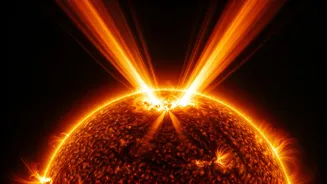
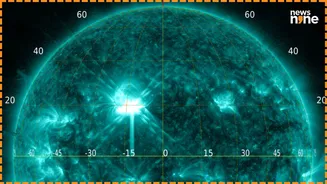
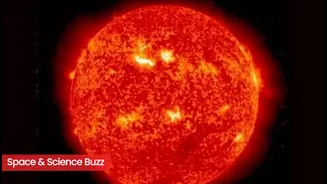
Geomagnetic storms, like the anticipated G2 event, are instigated by solar activity. These storms arise when the sun emits coronal mass ejections (CMEs)
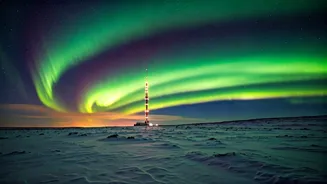
and solar flares, releasing massive amounts of energy and charged particles. These particles travel through space, eventually interacting with Earth's magnetic field. Upon reaching Earth, these particles collide with atoms and molecules in the atmosphere, creating auroras, the breathtaking displays of light seen as the Northern and Southern Lights. A G2 storm is categorized as 'moderate', indicating a specific range of intensity, with more powerful storms existing. The Space Weather Prediction Center (SWPC) of NOAA monitors and forecasts these events to provide warnings of potential impacts on infrastructure.
Aurora Visibility & Location
The chances of observing auroras during a G2 storm depend largely on your location and the intensity of the event. Generally, the auroras are most visible near the Earth's poles, but with a moderate storm, they can extend farther towards the equator. Those in northern regions like Canada, Alaska, and Scandinavia have excellent opportunities to see the lights. However, even people in the northern United States might have a chance. Similarly, in the Southern Hemisphere, locations in southern Australia and New Zealand, and other areas closer to the South Pole, might get a glimpse. To increase the odds of viewing, one should venture away from city lights, as light pollution can significantly reduce visibility. It's also best to check the local weather forecast for clear skies.
Impact on Technology
While a G2 storm presents a visual spectacle, it can also have consequences for modern technology. Geomagnetic storms can impact satellite operations, potentially disrupting communications and navigation systems that rely on satellites. The Earth's magnetic field fluctuations caused by the storm can induce currents in power grids, which might lead to power outages. Radio communications can also be affected by these disruptions. Satellite operators usually take precautions to protect their systems. Power grid operators monitor the situation closely to mitigate the effects, but disruptions, though unlikely with a G2 storm, can occasionally occur. Understanding these potential impacts helps manage the risks posed by space weather.
Monitoring & Prediction
Organizations like the NOAA Space Weather Prediction Center (SWPC) monitor the sun's activity continuously to forecast geomagnetic storms. They use data from satellites and ground-based instruments to track solar flares, CMEs, and other events that could affect Earth. The SWPC provides real-time information and alerts to various sectors. These forecasts allow satellite operators, power grid companies, and others to prepare for possible disruptions. The accuracy of these predictions varies depending on factors such as the complexity of solar activity. Researchers and space weather forecasters continually improve their models and techniques to provide more precise warnings. Staying updated on space weather forecasts provides awareness of the upcoming solar activity and its potential impacts.