







Water Conservation Success
India's green buildings are making a substantial contribution to environmental conservation, with an impressive 199 billion litres of water saved annually.
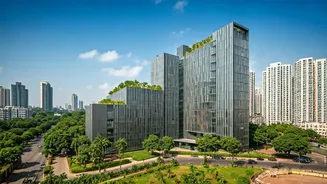
This noteworthy achievement underscores the effectiveness of sustainable building practices in the country. The city of Mumbai has emerged as a leader in this domain, boasting the highest number of certified green structures, with a count of 516. This exemplifies the city's dedication to environmental responsibility and positions it at the forefront of the green building movement. The impact of green buildings extends beyond mere water savings, also encompassing reductions in energy consumption, waste generation, and greenhouse gas emissions. Overall, this demonstrates India's concerted efforts towards embracing sustainable practices and fostering a greener built environment.
Mumbai's Green Leadership
Mumbai's dominance in the green building sector is a testament to its dedication to sustainable development. The city's 516 certified green buildings represent a significant investment in eco-friendly construction and design. This leadership role showcases Mumbai's willingness to implement innovative solutions and contribute to environmental protection. Green buildings in Mumbai, and across India, incorporate features that reduce water usage, such as rainwater harvesting systems, efficient irrigation, and water-saving fixtures. These strategies, among others, ensure that water resources are used responsibly. The prevalence of green buildings also demonstrates a growing awareness of environmental concerns among developers, architects, and residents. This trend towards green construction highlights Mumbai's commitment to a sustainable future.
Benefits of Green Buildings
Green buildings offer numerous advantages beyond water conservation. These structures are designed to be energy-efficient, often incorporating renewable energy sources and smart building technologies to minimize energy consumption. This leads to lower operational costs and a reduced carbon footprint. Green buildings also prioritize the health and well-being of occupants, utilizing sustainable materials that promote better indoor air quality and provide ample natural light. Furthermore, the construction of green buildings frequently supports local economies and creates jobs in the green building sector. The adoption of green building practices encourages innovation and the adoption of cutting-edge technologies. All of these factors underscore the importance of green buildings in creating a sustainable and thriving environment.