





The Resistance Explained
Bacteria's ability to develop resistance to antibiotics has become a major challenge in modern healthcare. One crucial mechanism involves the sharing of
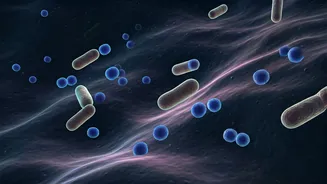
antibiotic resistance genes, often facilitated by structures called plasmids. These small, circular DNA molecules can move between bacteria, enabling them to quickly share genetic information that confers resistance. This means that a bacterium can acquire resistance to multiple antibiotics simultaneously by receiving a single plasmid. This is like sharing cheat codes among players in a game, only in this instance, the game is survival and the stakes are life and death.
Plasmids: The Spreaders
Plasmids are essentially bacterial 'vehicles' for spreading resistance. They can replicate independently of the bacterial chromosome and are readily transferred between bacteria, even across different species. This transfer can occur through a process called conjugation, where bacteria physically connect and exchange genetic material. Another method involves the release of plasmids into the environment, where they can be taken up by other bacteria. These plasmids often contain multiple resistance genes, meaning that a single transfer can make a bacterium resistant to several antibiotics. This rapid and efficient spread makes plasmids key players in the evolution and dissemination of antibiotic resistance.
Tracking Antibiotic Resistance
Recent advances in tracking antibiotic resistance have provided valuable insights into how these genes spread across various environments. Novel methods, such as those used in Hong Kong, are being used to map the transmission of resistance genes. These technologies allow scientists to pinpoint the routes and patterns of resistance dissemination, such as in hospitals, sewage systems, and even agricultural settings. Understanding these pathways is crucial for developing targeted interventions and preventing the further spread of resistant bacteria, allowing experts to respond quickly and efficiently to outbreaks.
Fighting Back Naturally
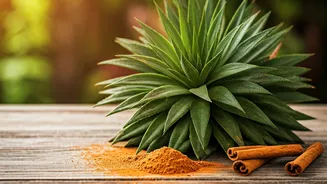
Research has explored natural methods to combat antibiotic resistance. One area of focus is the use of essential oils. Some essential oils contain compounds that may exhibit antibacterial properties and could potentially disrupt bacterial defenses. The idea is to find natural substances that can either kill bacteria directly or reduce their ability to develop resistance. Although this research is in its early stages, it presents a promising avenue for exploring alternatives to conventional antibiotics. The goal is to discover naturally occurring compounds that can work synergistically with antibiotics or provide new tools for treating infections.
Disrupting Resistance
Scientists are also working on ways to directly disrupt the mechanisms that bacteria use to spread antibiotic resistance. One approach involves targeting the plasmids themselves, with the aim of preventing their transfer between bacteria. Other strategies focus on interfering with the genes that encode resistance, essentially 'turning off' the resistance mechanism. By understanding the intricate processes that govern resistance, researchers are developing innovative strategies to combat the rise of antibiotic-resistant infections. The goal is to either prevent the spread of resistance or restore the effectiveness of existing antibiotics.
Gut Bacteria's Role
The gut microbiome, comprising trillions of bacteria residing in the human gut, plays a significant role in antibiotic resistance. Gut bacteria can harbor and share resistance genes, and the use of antibiotics can disrupt the balance of the gut microbiome, potentially promoting the growth of resistant bacteria. Understanding how gut bacteria share resistance genes and how they impact immune responses is crucial. This knowledge can lead to strategies for modulating the gut microbiome, such as through the use of probiotics or dietary interventions, to reduce the spread of resistance and improve overall health.