







Initial Concerns Emerge
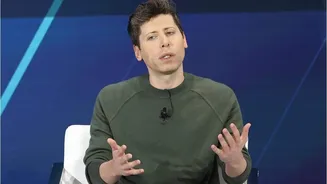
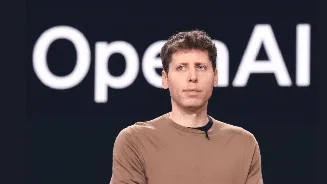
Initially, Sam Altman, the CEO of OpenAI, expressed hesitations regarding the integration of advertisements into ChatGPT. His primary concern was the potential
impact on user trust and the overall experience. This reluctance highlighted the value OpenAI placed on maintaining a positive relationship with its users and ensuring the platform's integrity. The company understood that intrusive advertising could erode the credibility it had worked so hard to establish. It was a strategic decision to safeguard the user experience, emphasizing the need to balance commercial interests with the ethical considerations of AI development and deployment.
Altman's Stance Softens
Over time, Altman's initial stance began to evolve. His reservations about ads in ChatGPT gradually softened as OpenAI explored various monetization strategies. The shift reflected a pragmatic approach to the financial realities of running an AI platform. This change signaled an acceptance of advertising as a necessary component of the business model. Altman's willingness to adapt demonstrated a growing understanding of the need to balance user experience with the economic requirements of supporting the resource-intensive AI technology. This adaptation occurred gradually, reflecting careful consideration of user feedback and the overall market dynamics.
Rising AI Costs
A primary driver behind the introduction of ads is the escalating cost of developing and maintaining sophisticated AI models. Training and running large language models like ChatGPT demands considerable computational resources. These resources translate into significant expenses related to hardware, energy, and infrastructure. In order to sustain the development and operation of ChatGPT, OpenAI needs a reliable revenue stream. Advertising provides a crucial means to offset these costs and ensure the platform's long-term sustainability. This highlights the practical need for sustainable financial models within the rapidly evolving AI landscape.
Targeted User Groups
The introduction of ads will not be universally implemented for all ChatGPT users. Instead, advertising will be selectively rolled out to specific user groups. OpenAI is likely testing the impact of advertising on various demographics to refine their strategy. This segmented approach allows the company to measure user acceptance and engagement more effectively. By targeting certain groups, OpenAI can gather data and make informed decisions on how to expand the advertising program. This phased implementation also enables the company to fine-tune its approach and mitigate potential negative impacts on user experience.
Trust and Privacy
OpenAI has pledged that user privacy and trust will not be compromised despite the introduction of advertisements. The company has made assurances about adhering to strict data privacy policies and ensuring that ads will be relevant and unobtrusive. The aim is to create a seamless integration of advertising into the user experience. The company wants to show its commitment to transparency and user control regarding data usage. This is a crucial element in maintaining user confidence in the platform as it evolves and embraces new financial strategies. OpenAI is focusing on how to grow its platform and maintain strong user relationships.