





Black Hole's Escape
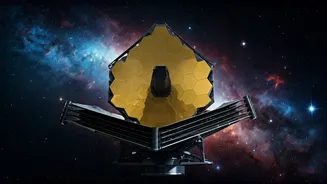
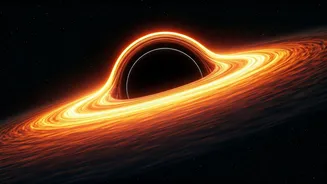
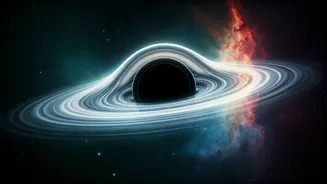
The James Webb Space Telescope (JWST) has verified the existence of a runaway supermassive black hole. This cosmic entity, which is speeding through space
at 1,000 kilometers per second, represents a significant discovery. Its high velocity is due to the merger of galaxies, a process that can propel these massive objects to extreme speeds. This particular black hole is racing away after a galaxy merger, leaving a trail of information for astronomers. This observation gives researchers a better understanding of how these powerful objects behave after galactic collisions. The JWST's capacity to see infrared light was critical in making this discovery, as it could penetrate dust clouds that would have obscured the view for other telescopes. This observation is key to learning more about how galaxies and black holes interact. The phenomenon provides a glimpse into the dynamic, energetic processes at work in the cosmos.
Galaxy Merger Dynamics
The discovery of this runaway black hole sheds light on galaxy mergers, events that profoundly impact the structure of galaxies. When galaxies collide and merge, their central black holes can interact. Sometimes, one black hole can be ejected from the newly formed galaxy due to the gravitational forces at play during the merger. This ejection is often accompanied by powerful jets of energy and matter, which can be observed across vast distances. The study of runaway black holes provides insights into these complex interactions, which are critical to galaxy evolution. These observations allow astronomers to model and comprehend how galaxies and their central black holes change over cosmic time, shedding light on their past interactions and their future fates. It helps understand how galaxy mergers can trigger star formation and fuel the growth of supermassive black holes.
JWST's Role Explained
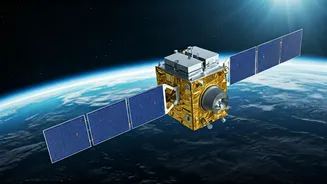
The James Webb Space Telescope played a crucial role in confirming the runaway black hole. Its advanced infrared capabilities enabled it to penetrate the dust and observe the distant phenomena. Infrared light is particularly useful for studying objects hidden behind cosmic dust clouds. JWST's observations revealed the black hole's high velocity and the characteristics of its environment. JWST's sensitivity to infrared light allows it to peer into the universe's oldest and most distant regions, giving scientists a view of the earliest stages of galaxy formation and black hole activity. Furthermore, this telescope allows astronomers to explore the formation and evolution of galaxies, unveiling key details that other telescopes cannot. The telescope's advanced instruments captured detailed data of the black hole's properties and its interaction with its surroundings.
Cosmic Implications Explored
This finding has significant ramifications for the understanding of the universe. It provides evidence for models of galaxy mergers and black hole dynamics, enhancing comprehension of how supermassive black holes evolve and impact their galactic hosts. It also provides insights into how the universe's most energetic processes, such as the creation of active galactic nuclei, occur. Discoveries like this help refine theories and provide a clearer picture of cosmic structures and their evolution. The research highlights the significance of studying the universe's most dynamic and mysterious elements, which contribute to the broader scientific understanding. This work enables scientists to continue to refine and test theoretical models about the history and evolution of the universe. The ability to observe these phenomena helps to paint a picture of how galaxies have grown over billions of years.