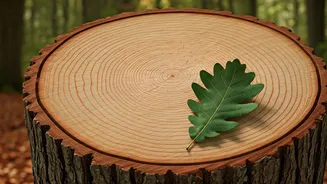







Tree ID Fundamentals
To become adept at recognizing various tree species, we must first understand the systematic approach to their classification. This process involves closely
observing a tree's distinctive attributes. Key elements to inspect include the shape and arrangement of leaves, the texture and pattern of the bark, and any unique characteristics such as the presence of nuts, fruits, or flowers. Each of these features acts as a crucial clue, contributing collectively to the accurate identification of a particular tree species. By learning to meticulously examine these components, we build a foundation for distinguishing one tree from another, much like a detective gathers evidence.
Genus and Species Explained
Scientific classification places trees into genera, which are the first part of a species' scientific name. Consider the bur oak, scientifically known as Quercus macrocarpa. Here, 'Quercus' denotes the oak genus, encompassing trees that share fundamental physical traits. 'Macrocarpa' is the specific epithet, identifying this particular species of oak. The United States alone is home to over 800 distinct tree species, meticulously categorized into approximately 270 genera. Understanding this hierarchical structure is vital for comprehending the diversity within the plant kingdom and how scientists group similar organisms.
Focus on Oak Varieties
Our exploration will concentrate on red and white oaks, two major groupings that encompass the majority of oak species found. Globally, there are more than 400 known species of oak trees, predominantly thriving in the Northern Hemisphere, with around 90 species native to the United States. The oak holds significant cultural importance, serving as the national tree of the U.S. and over a dozen other nations, underscoring its widespread presence and recognition across different cultures and landscapes.