
Solar Maximum Explained
The sun goes through cycles, with periods of high and low activity, typically spanning about 11 years. The year 2026 is predicted to be a period of intense
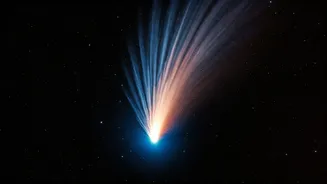
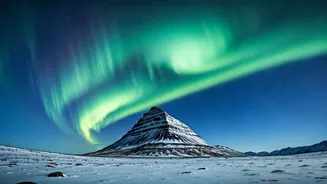
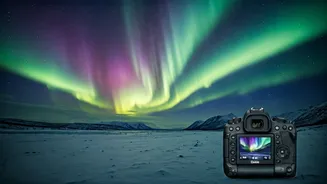
solar activity, also known as solar maximum. During this phase, the sun experiences an increase in sunspots, solar flares, and coronal mass ejections (CMEs). These events release massive amounts of energy and charged particles into space. When these particles interact with the Earth's magnetic field, they create auroras, or the Northern and Southern Lights. The more active the sun, the more frequent and intense these light displays are, making 2026 a potential goldmine for aurora enthusiasts.
Post-Solar Maximum Storms
Interestingly, the most spectacular displays of auroras might not occur precisely at the solar maximum. Instead, the period following the solar maximum is often associated with the most intense geomagnetic storms. This is because the sun's magnetic field, during and after solar maximum, can become highly complex and unstable. This complexity leads to more frequent and powerful CMEs, resulting in stronger geomagnetic storms. These storms can generate auroras visible at lower latitudes than usual, potentially offering a wider audience the opportunity to witness this natural wonder. This means that even after the peak of solar activity in 2026, the potential for stunning auroral displays will likely remain high for a few years, ensuring ample opportunities for viewing.
Geomagnetic Storms and Auroras
Geomagnetic storms are classified based on their intensity, with the scale ranging from G1 (minor) to G5 (extreme). The intensity of these storms dictates how far south (in the northern hemisphere) or north (in the southern hemisphere) the auroras can be seen. During a G1 storm, the auroras may be visible only in the extreme northern regions. However, during a G5 storm, the auroras can be visible much further south. This extended visibility is what makes the prospect of 2026 so exciting. Increased solar activity increases the likelihood of stronger geomagnetic storms, heightening the possibility of widespread and stunning auroral displays. Observing the lights might be possible even in areas that rarely see them, creating opportunities for many individuals to enjoy the beauty of the Northern Lights.
What to Expect in 2026
If you're planning to witness the Northern Lights in 2026, you will have plenty of chances. Firstly, expect more frequent auroral displays. During periods of high solar activity, geomagnetic storms occur more often. This means more opportunities to view the lights. Secondly, the auroras are likely to be more intense. Stronger geomagnetic storms produce brighter and more dynamic displays. Thirdly, the viewing range could be extended. This indicates that people further away from the poles might be able to witness them. Staying informed about solar activity forecasts is crucial. Resources like the National Oceanic and Atmospheric Administration (NOAA) provide alerts and predictions about geomagnetic storms. This information allows you to plan your viewing, increasing your chances of experiencing the awe-inspiring beauty of the Northern Lights.