






Effortless Urban Mobility
A recently circulated video has brought into sharp focus the exceptional accessibility features embedded within Mumbai's Metro system. The footage captures
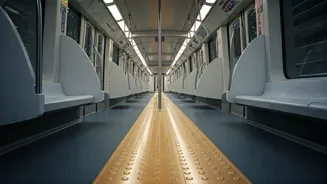
a specially-abled individual navigating the transit network with remarkable ease, experiencing zero delays or hindrances during his commute. This demonstration vividly illustrates how thoughtful urban planning can translate into tangible benefits for all citizens, particularly those with mobility challenges. The ease with which he moved through the stations, utilizing the available lifts and specialized facilities, underscores a successful integration of inclusive design principles into public infrastructure. Such innovations are crucial for fostering independence and improving the quality of life for individuals with diverse needs, transforming daily commutes from potential ordeals into seamless experiences and setting a positive precedent for public transportation systems nationwide.
Praise and Social Impact
The viral video showcasing the Mumbai Metro's accessibility has garnered significant positive attention and widespread commendation across social media platforms. Observers and users alike have expressed their admiration for the transit system's commitment to inclusivity, lauding it as an exemplary model for public transportation. Many have pointed to this as a clear demonstration of how modern infrastructure can and should be designed to cater to the needs of differently-abled passengers, ensuring that everyone has equitable access to mobility. The overwhelming positive response highlights a growing societal appreciation for such advancements and a collective desire for more public services to adopt similar user-centric and barrier-free approaches. This widespread endorsement not only celebrates the current achievements but also amplifies the call for continued development and implementation of accessible solutions in urban environments.