






AI's Creative Leap
Science fiction often depicted artificial intelligence as purely logical entities, incapable of grasping humor or appreciating art. This narrative painted
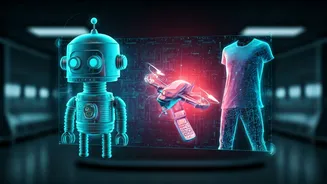
a picture of emotionless machines that could crunch numbers but not comprehend a punchline or a painting. However, reality has dramatically shifted this perspective. Today's AI can generate jokes, create visual art, and mimic various artistic styles with surprising efficacy, sometimes even exceeding human capabilities in specific creative tasks. This advancement blurs the lines we once thought defined human creativity, showing that AI has become an increasingly integral part of artistic and comedic expression, rather than a detached observer.
Communication's Avoidance
The vision of the future in science fiction consistently featured enhanced, face-to-face communication through advanced technologies like holograms and ubiquitous screens. The expectation was a world where people would always opt to see each other during interactions, moving beyond the limitations of traditional phone calls. While we possess the technology to achieve this, the reality is quite different. The phrase "Can we just do audio?" has become a common refrain, indicating a preference for avoiding video calls and the accompanying visual interaction. Instead of fostering constant visual connection, modern communication technology has, paradoxically, enabled us to avoid eye contact more efficiently, prioritizing convenience over visibility.
Fashion's Minimalist Turn
Science fiction's take on future fashion typically involved sharp, metallic designs with avant-garde cuts, projecting an image of advanced and visually striking attire. The underlying assumption was that clothing would evolve in lockstep with technology, becoming more experimental and bold. Contrary to this, contemporary fashion trends have veered sharply in the opposite direction. Minimalism, comfort, and neutral palettes now dominate, with items like Crocs being considered remarkably modern. This shift suggests less an evolution of futuristic design and more of a collective embrace of comfort and simplicity, with casual wear like hoodies becoming the go-to choice, signaling a departure from the visually complex outfits once imagined.
Robots' Athleticism
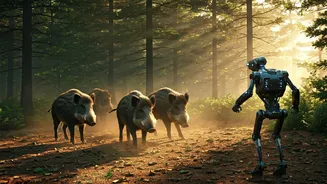
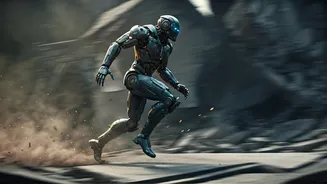
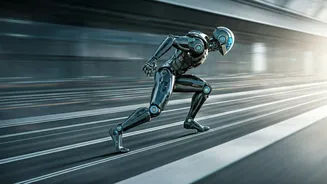
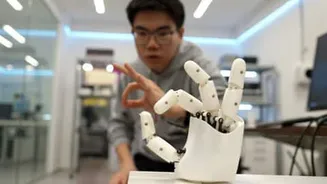
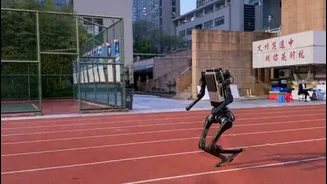
Classic science fiction portrayed robots with a distinctively mechanical gait—slow, stiff, and slightly awkward movements that clearly distinguished them from humans. This depiction was a reflection of the technological limitations and imaginative scope of the time, setting a boundary for robotic capabilities. In stark contrast, modern robotics has achieved remarkable feats of agility and fluidity. Robots can now perform complex maneuvers like backflips, run, jump, and balance with impressive grace, even engaging in activities like parkour. The evolving concern is not whether robots can move, but rather the potential challenge of outrunning them, signifying a dramatic leap in their physical prowess beyond the clunky automatons of fictional lore.
Food's Flavorful Embrace
Science fiction often envisioned future meals as perfectly portioned, smooth nutrient blocks—efficient, joyless sustenance designed solely for survival. This futuristic ideal was rooted in the belief that understanding nutrition would lead to its optimization, stripping away culinary indulgence. However, reality has celebrated the opposite: a deep dive into flavor and experience. Street food, comforting dishes, and elaborate meals requiring preparation and planning have become increasingly popular. Even high-end cuisine prioritizes sensory experience over mere efficiency, indicating that we haven't transformed meals into simple fuel but rather into engaging content and cultural expressions.