





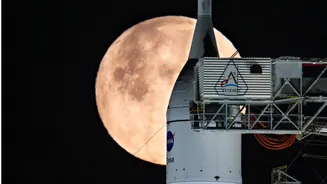
Artemis II Launch Postponed
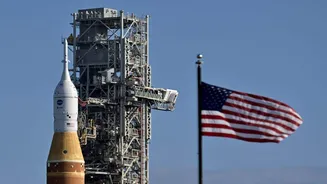
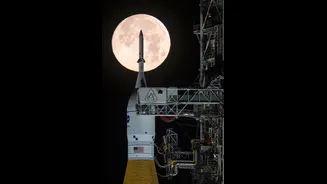
The highly anticipated Artemis II mission, slated to be NASA's first crewed lunar voyage in over half a century, will not be departing on its planned February
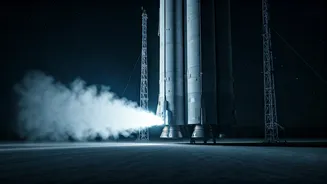
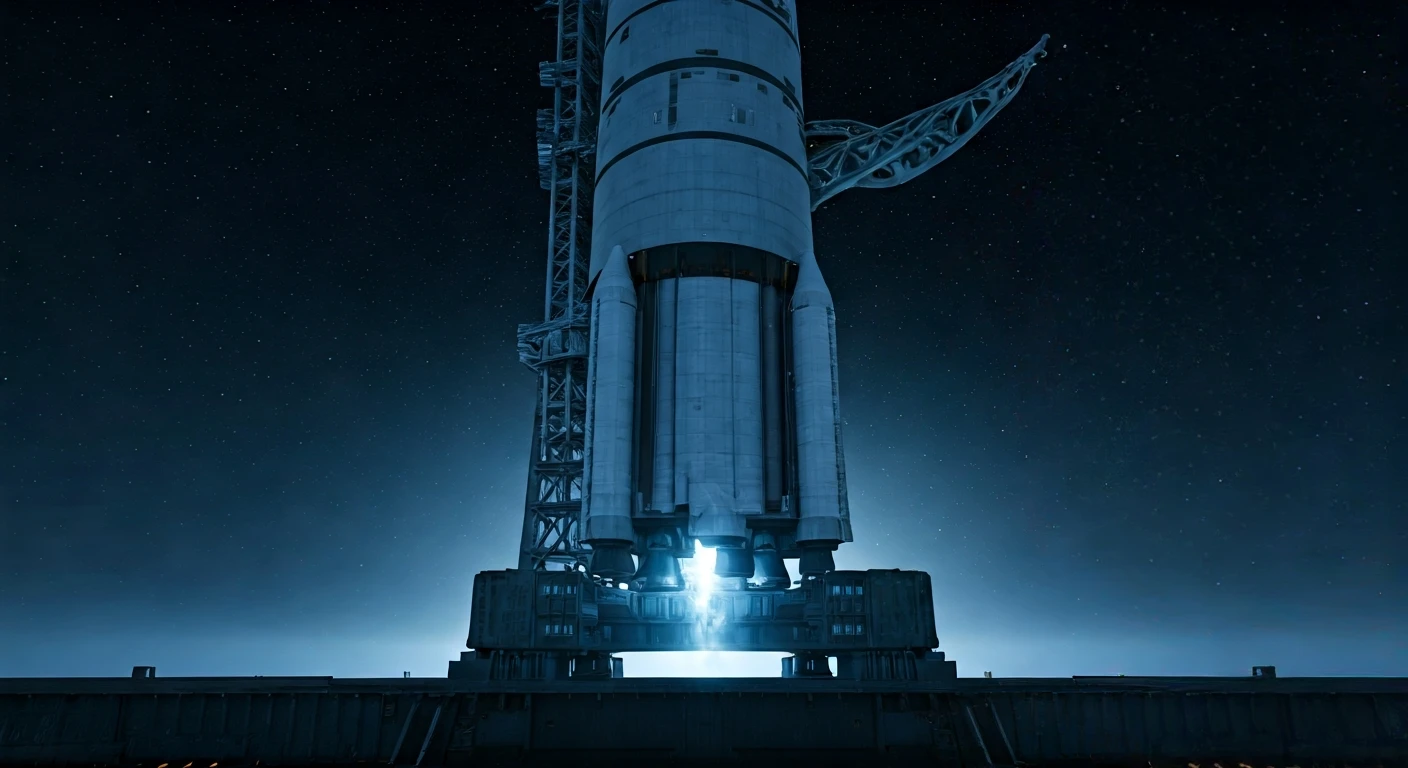
6th trajectory. A significant setback occurred during a crucial 'wet dress rehearsal,' a comprehensive test designed to simulate launch procedures by fueling the Space Launch System (SLS) rocket and running through the countdown sequence without igniting the engines. During this vital preparatory phase, engineers identified a hydrogen leak at the base of the massive SLS rocket. This discovery has prompted NASA to re-evaluate its timeline, necessitating a delay. The original launch window extended from February 6th to the 11th, but the agency has opted for additional time to thoroughly investigate the leak and implement necessary resolutions, which may include conducting a second rehearsal. Consequently, the earliest feasible launch date has been rescheduled to March 6th, pushing back the astronauts' rendezvous with the moon. This delay provides the Artemis II crew—Victor Glover, Reid Wiseman, and Christina Koch from NASA, alongside Jeremy Hansen from the Canadian Space Agency—with additional time on Earth before their groundbreaking celestial excursion.
Crew-12 Awaits Lift-off
In the shadow of the Artemis II schedule shift, another crew is poised for orbital operations. SpaceX's Crew-12, comprising NASA astronauts Jessica Meir and Jack Hathaway, along with the European Space Agency's Sophie Adenot and Roscosmos cosmonaut Andrey Fedyaev, had been anticipating a launch to the International Space Station as early as February 11th. However, their plans have also encountered an unforeseen hurdle. On Monday, SpaceX announced a grounding of its reliable Falcon 9 rocket, the very vehicle intended to carry Crew-12 into orbit. This precautionary measure was enacted after an issue arose during a launch earlier that day, where the rocket's upper stage failed to execute a planned deorbit burn as expected. The company's technical teams are currently engaged in a meticulous review of the collected data to pinpoint the root cause of this anomaly and formulate appropriate corrective actions before authorizing a return to flight operations. The rarity of such incidents with the Falcon 9 underscores the importance of this thorough investigation, with hopes that a swift resolution will allow Crew-12 to proceed with their planned journey to the orbiting laboratory.