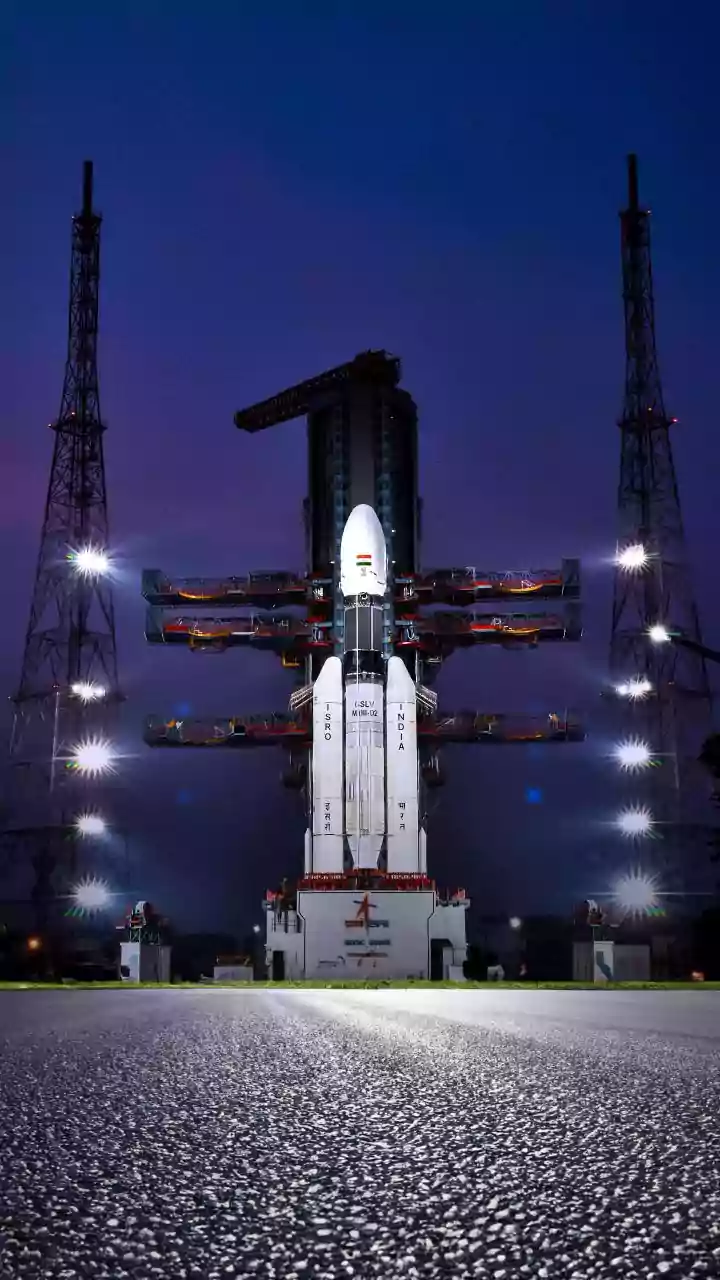







PSLV's Dual Failures
The Indian Space Research Organisation (ISRO) has experienced two significant setbacks in its PSLV (Polar Satellite Launch Vehicle) program. These failures
mark a concerning period for India's space exploration initiatives, particularly given the PSLV's established reputation. The first incident involved a third-stage glitch, which caused the rocket to deviate from its intended trajectory. This deviation resulted in the loss of the mission. Further, the second failure also resulted in the loss of the EOS-N1 military satellite. These failures are particularly significant because the PSLV is integral to India's space program, with a history of successful launches. The setbacks highlight the complex engineering challenges involved in space missions and underscore the need for thorough analysis and corrective measures to ensure the reliability of future launches. The recent events also cast a shadow over future missions, potentially impacting launch schedules and the confidence of stakeholders.
Technical Glitches Detailed
The primary cause of the PSLV's failures was rooted in technical malfunctions. Specifically, the first failure can be attributed to a glitch in the third stage of the rocket, which is a critical part of the launch sequence. This stage is responsible for placing satellites into their precise orbits. The nature of the third-stage glitch remains under investigation to pinpoint the exact mechanism of failure and to understand why it occurred. The second failure involved the loss of the EOS-N1 military satellite, demonstrating the serious ramifications of these failures. These incidents prompt questions regarding the effectiveness of quality control measures, component reliability, and pre-launch testing protocols. The ISRO is likely to undertake comprehensive reviews and implement modifications to ensure that the same issues don't happen again. Thorough investigations are vital to understand the root causes, to identify any weaknesses in the design, manufacturing, or operational procedures, to prevent future failures, and to secure the success of future missions.
Impact on Missions
The PSLV failures have direct consequences on ISRO's ongoing and planned missions. The disruption of a launch schedule can result in delays for other projects. These delays can affect scientific research, communication capabilities, and strategic applications reliant on space-based assets. The loss of a satellite, especially a military one like EOS-N1, presents strategic implications, potentially impacting defense capabilities. The failures might also lead to higher insurance premiums for future launches, increasing the financial burden of space projects. Addressing these issues demands careful planning, risk mitigation, and continuous monitoring to maintain the momentum of India's space exploration endeavors and ensure the reliability of the PSLV. ISRO will likely need to adjust its strategic planning, prioritizing the analysis of the failures and enhancing the robustness of the PSLV for future missions to mitigate future disruptions and maintain a steady pace in its space programs.
Future Endeavors and Revisions
Following these setbacks, ISRO is expected to carry out a comprehensive review of its PSLV program. This review will encompass all aspects, from the design and manufacturing processes to the operational procedures. The goal is to identify any areas for improvement and to strengthen the overall reliability of the launch vehicle. The organization is likely to conduct extensive testing and simulation exercises to understand the root causes of the failures. The findings from these investigations will inform revisions to the PSLV's design, possibly including modifications to the third stage and other critical components. ISRO will also look at strengthening quality control measures and refining pre-launch checks to minimize the risk of future malfunctions. Furthermore, the organization may adopt a more cautious approach to future launches, including increased safety margins and enhanced risk mitigation strategies. The focus will be on ensuring the program's long-term sustainability and reinforcing its critical role in India's space ambitions.