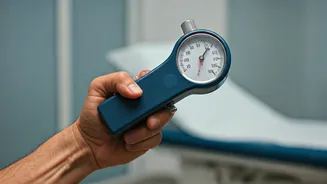








Grip Strength's Significance
Grip strength has emerged as a surprisingly powerful marker of how well and how long you might live. Studies suggest that the strength of your grip can
be a better predictor of overall health than some more complex medical tests. It's a simple, accessible metric that provides valuable insight into your body's functional capacity. Think about it: a stronger grip isn't just about lifting heavy objects; it reflects the integrity of your muscles and the overall robustness of your musculoskeletal system. Decline in grip strength can also signal frailty, increasing your risk of falls and other health problems as you age. Therefore, regularly assessing and improving your grip strength can be a proactive step towards better health and a longer life. This easy-to-measure metric serves as an initial health assessment and can highlight potential issues. It is highly recommended that you take actions to improve your overall health and well-being if you are experiencing any health problems or have reduced grip strength.
Fitness Habit's Impact
Research has indicated that one particular fitness habit holds a significant sway over how long you live. While various exercise forms offer benefits, the regularity and consistency of physical activity might be most critical. It’s not just about hitting the gym occasionally; it’s about making exercise a fundamental part of your daily life. Regular physical activity positively impacts numerous bodily systems. It boosts cardiovascular health, strengthens muscles and bones, enhances brain function, and reduces the risk of chronic diseases such as type 2 diabetes and heart disease. The habit of physical fitness is especially important as you age, helping maintain mobility and independence. When a habit of fitness becomes part of your regular schedule, it leads to improved health outcomes and helps you live longer. Maintaining this habit involves making informed choices regarding exercise and creating a routine that can be sustained over time.
Measuring Your Fitness
Measuring your fitness is essential to understanding your overall health. Several straightforward methods can provide insightful assessments. One of the most accessible measures is simply observing your physical activity and energy levels. Are you able to perform daily tasks with ease, and do you feel energized throughout the day? Another essential measure involves monitoring your heart rate during rest and exercise. A lower resting heart rate and a quicker recovery rate after exercise often signify better cardiovascular health. Furthermore, assessing your body composition, such as muscle mass and body fat percentage, through methods like skinfold calipers or bioelectrical impedance, gives you insights into overall health. Monitoring your progress in these areas can help you make informed decisions about your exercise routine and lifestyle choices. By regularly measuring your fitness, you will gain a deeper understanding of your body, and you will be more able to adjust your lifestyle for the best results.
Reducing Inflammation Naturally
Reducing inflammation is critical for overall health and is often achieved through lifestyle adjustments. One of the primary steps involves adopting an anti-inflammatory diet that emphasizes whole foods, such as fruits, vegetables, and whole grains, and reduces processed foods, sugary drinks, and unhealthy fats. Regular exercise is another powerful way to reduce inflammation; it promotes better circulation and helps regulate the body’s inflammatory response. Adequate sleep, typically around 7-9 hours per night, is crucial because the body repairs and regenerates during sleep. Managing stress through practices like meditation, yoga, or deep breathing exercises is also beneficial because chronic stress can contribute to inflammation. Furthermore, staying well-hydrated by drinking plenty of water and avoiding excessive alcohol consumption aids in maintaining overall health. Making these conscious choices can help combat chronic inflammation, improving your general health and quality of life.
Brain's Key Turning Points
Scientists have identified key turning points for your brain as you age, highlighting significant shifts in cognitive abilities. The first critical period often starts in your twenties, when the brain continues to develop, refining cognitive functions like decision-making and planning. Another turning point occurs around midlife (40s-50s) when subtle cognitive decline begins, affecting aspects like memory and processing speed. Brain aging accelerates during this period. The third turning point usually appears in the 60s and beyond, as age-related brain changes become more pronounced, potentially leading to increased risk of cognitive impairment. However, understanding these points does not equate to simply accepting decline. Maintaining a healthy lifestyle, including regular exercise, a balanced diet, and active social and mental engagement, can significantly mitigate these age-related changes. Staying mentally active by learning new skills or doing brain-stimulating activities can also help preserve cognitive function, allowing you to age gracefully and maintain a sharp mind.