







The $25 Billion Contingency
In a surprising disclosure during court proceedings, Microsoft's CEO, Satya Nadella, revealed that the tech giant had a substantial contingency plan in place.
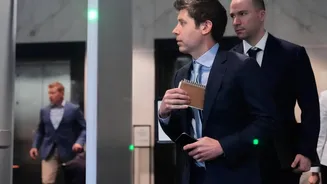
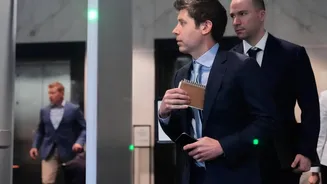
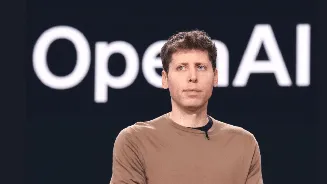
Following the sudden and tumultuous firing of Sam Altman from OpenAI in November 2023, Microsoft was prepared to absorb the entirety of OpenAI's leadership and workforce. This ambitious plan involved creating a new, Microsoft-controlled entity and entailed an estimated cost of $25 billion. The rationale behind this significant investment was to secure the invaluable talent and intellectual property of OpenAI, which is considered critical to Microsoft's strategic advancements in artificial intelligence. The legal groundwork for this absorption was reportedly completed within a mere 24 hours of the crisis unfolding, showcasing the urgency and strategic importance Microsoft placed on its relationship with OpenAI. This backup strategy was designed to offer OpenAI employees compensation packages comparable to their existing or anticipated earnings, including salaries, stock options, and equity, thereby incentivizing them to transition to Microsoft. The plan, however, was ultimately not executed as Sam Altman was reinstated as OpenAI's CEO, and the majority of employees remained with the organization.
Navigating the Chaos
Satya Nadella characterized the events surrounding Sam Altman's dismissal as "amateurish," underscoring the confusion and lack of clear communication that even affected Microsoft, a major stakeholder. Despite being OpenAI's primary investor and closest collaborator, Microsoft was not provided with a thorough explanation for Altman's ousting. Nadella stated that his immediate priority was to ascertain if the dismissal stemmed from serious issues like financial impropriety, fraud, security breaches, or ethical violations. However, the explanations offered were vague, with the OpenAI board citing Altman's lack of "consistent candor" as the reason, a justification many found insufficient for such a drastic leadership change. This lack of transparency created significant uncertainty for Microsoft, prompting the swift activation of its backup acquisition strategy to safeguard its interests and its substantial investment in the AI leader.
Board Influence and Rivalries
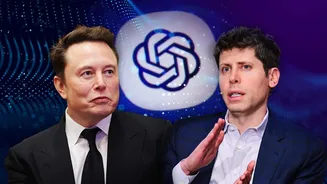
The aftermath of Sam Altman's reinstatement saw a power struggle concerning the reconstitution of OpenAI's board. Microsoft, as the largest investor, proposed a list of 13 to 14 individuals it deemed suitable for the new board. However, Nadella admitted that Microsoft possessed no formal authority to compel the nonprofit OpenAI board to accept its suggestions. He indicated that if the board ignored their recommendations, Microsoft had "none" in terms of direct power to enforce its choices. Nevertheless, Microsoft did attempt to exert influence by expressing objections to certain candidates. Notably, Nadella opposed Diane Greene due to her affiliations with Google and Bing Gordon because of his ties to Amazon, highlighting Microsoft's concern about potential competitive influence within OpenAI's governance. Elon Musk's legal team has suggested that these actions indicated Microsoft's efforts to shape OpenAI's leadership to align with its own commercial objectives and bolster its control over the organization.
Exploring Alternative Futures
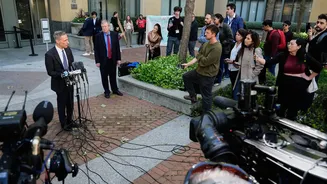
During the intense period of leadership turmoil at OpenAI, co-founder and former chief scientist Ilya Sutskever testified that the board actively explored various contingency measures to stabilize the organization. One significant option under consideration was initiating discussions with Anthropic, a prominent rival AI startup, regarding a potential merger or partnership. Sutskever expressed his personal reservations about this prospect, stating that he was "not excited" by the idea of combining OpenAI with Anthropic. This exploration of a merger with a competitor underscores the gravity of the crisis and the desperate measures being contemplated to ensure OpenAI's continuity and stability in the face of internal upheaval. Nadella's testimony, alongside that of other Microsoft executives, shed light on the intricate dynamics and high-stakes negotiations that transpired during this critical juncture for both OpenAI and Microsoft's AI ambitions.