




Heart Regeneration Breakthrough
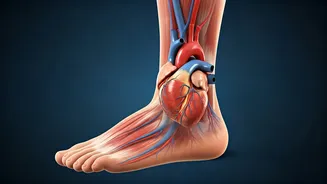
For the very first time, researchers have provided concrete evidence that the cells making up the human heart muscle can, in fact, regenerate after experiencing
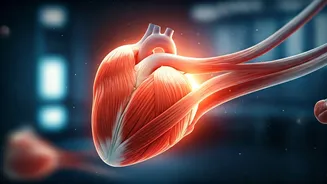
a heart attack. This revelation is a significant departure from previous assumptions, which posited that heart muscle cells, once destroyed by a heart attack, were lost forever, leading to irreparable damage and diminished pumping capacity. The study, a collaborative effort involving specialists from the University of Sydney, the Baird Institute, and the Royal Prince Alfred Hospital, confirms that while a heart attack does leave scars, the organ actively produces new muscle cells. This natural regenerative capacity, previously only documented in mice, offers a tantalizing glimpse into the future of cardiovascular treatment, hinting at the development of therapies designed to bolster this innate healing mechanism and potentially reverse the damage caused by heart attacks.
Global Heart Disease Impact
Cardiovascular disease stands as the leading cause of mortality on a global scale, accounting for a staggering 24 percent of all deaths. In Australia alone, approximately 144,000 individuals are currently living with heart failure, a severe condition that often necessitates a heart transplant. However, the stark reality is that only around 115 heart transplants are performed annually, creating a substantial disparity between the demand for this life-saving procedure and its availability. Even with advancements in medical interventions that have significantly improved survival rates post-heart attack in the past decade, many patients still face the grim prospect of developing heart failure. This highlights the urgent need for innovative treatments that go beyond managing symptoms and actively work towards restoring heart function.
Pioneering Research Techniques
The ability to conduct this groundbreaking study was made possible by pioneering techniques that allowed researchers to analyze living human heart tissue. For the first time in the world, scientists collected tissue samples directly from living patients undergoing heart bypass surgery at Sydney's Royal Prince Alfred Hospital. These so-called "pre-mortem" samples, obtained with the full consent of participating individuals, were gathered from both the diseased and healthy sections of the heart. The innovative method used for sample collection was developed by Professor Paul Bannon and Professor Sean Lal, key figures affiliated with the University of Sydney, the Royal Prince Alfred Hospital, and The Baird Institute. This novel approach established a reliable pathway for acquiring living human heart tissue, paving the way for the creation of a laboratory model crucial for investigating new therapeutic strategies for heart repair.
Developing New Therapies
With the establishment of a dependable method for collecting live human heart tissue, the research team has successfully created a laboratory model that serves as a vital platform for exploring novel approaches to repairing the human heart. Professor Sean Lal, the senior author of the study and a heart failure cardiologist at the Royal Prince Alfred Hospital, expressed optimism about the future implications of this work. The ultimate aim, he stated, is to leverage this discovery to generate new heart cells capable of reversing heart failure. Working with living human heart tissue models, he emphasized, will yield more accurate and reliable data, thereby accelerating the development of new treatments for heart disease. Encouragingly, the research utilizing these samples has already identified several proteins that were previously implicated in heart regeneration in mice, presenting an exciting prospect for translation to human applications.