



Embrace Flame-less Cooking
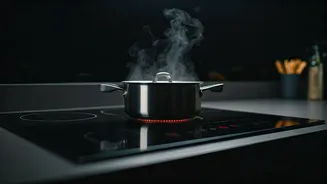
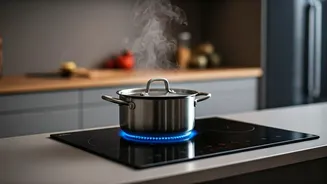
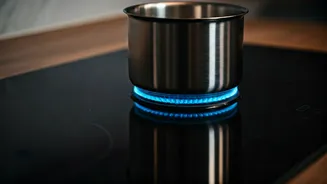
One of the most significant shifts when moving from gas stoves to induction cooktops is the absence of a visible flame. Gas burners provide immediate visual
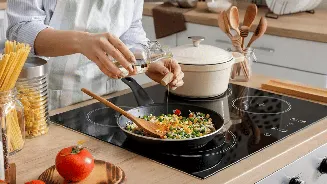
cues for heat intensity; a larger flame signifies higher heat, while a smaller one indicates lower heat. Many home cooks habitually rely on this visual feedback. Induction cooktops, however, operate using numerical or digital settings, which can initially feel abstract. A setting of '5' or '7' might not intuitively convey heat level until you gain experience. The key is to shift your focus from the burner to the food itself. Listen for the subtle sizzle of ingredients, observe the aroma of spices as they heat, and pay attention to how your food is reacting. These sensory cues will become your new indicators of precise temperature control, helping you to gauge heat effectively without relying on a visible flame.
The Quiet Operation
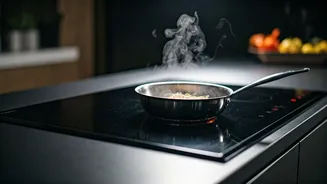
Another surprising aspect for new induction users is the remarkable silence of the cooktop. Unlike the distinct 'whoosh' of a gas flame or the occasional hiss or buzz from electric coil elements, induction cooktops operate almost imperceptibly. This quietness can sometimes lead to initial confusion, with users questioning if the appliance is even turned on. While generally silent, some cookware, particularly heavier pans, might produce a faint humming or buzzing sound when operating at higher power levels. This phenomenon is attributed to the magnetic interaction between the pan and the cooktop's surface. Often, simply reducing the heat setting slightly can mitigate or eliminate this gentle noise, ensuring a peaceful cooking environment.
Rapid Heat Adjustments
Induction cooktops are renowned for their instantaneous response to heat setting changes. This is a stark contrast to gas or traditional electric stovetops, where adjustments to heat levels take noticeable time to take effect. With induction, increasing the heat can rapidly elevate the temperature of your cookware within mere seconds. Conversely, reducing the heat is equally swift, allowing you to transition a vigorously boiling pot to a gentle simmer almost immediately. Despite this efficiency, beginners often find that food cooks much faster than anticipated. To manage this, it's advisable to commence cooking with moderate heat settings. As you become more familiar with your specific cooktop's responsiveness, mastering temperature adjustments will become second nature, preventing overcooking and enhancing control.
Essential Cookware Selection
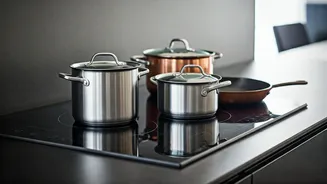
The principle of induction cooking relies on magnetic fields, which means that not all kitchen cookware is compatible. For a pan to heat up on an induction surface, its base must contain magnetic material. Common choices like stainless steel and cast-iron cookware typically work very well. Cookware with an enamel coating over steel is also a reliable option for induction. However, lightweight materials such as aluminum, glass, and ceramics generally do not generate heat on induction unless they are specifically designed with a magnetic base layer. Opting for heavier pans often leads to superior performance, as they tend to distribute heat more uniformly and respond more consistently to temperature fluctuations. An additional detail to consider is the fit of the pan to the cooking zone; the pan's base should closely match the size of the heating element for optimal heat transfer efficiency.
Adapting Cooking Habits
Transitioning to an induction cooktop necessitates a few minor adjustments to your usual cooking routines. A key change involves preheating. Unlike gas stoves where you might preheat an empty pan for a while, induction heat builds incredibly fast. Therefore, it's often safer and more effective to start with a lower heat setting and add your ingredients to the pan first. You can then gradually increase the heat as needed. This approach helps prevent overheating the cookware and potential damage. Furthermore, preparing your ingredients before you start cooking becomes more critical. Since induction cooking is so rapid, having everything chopped, measured, and ready to go ensures you can keep pace with the cooking process and avoid burning food. While it might take a few meals to get accustomed to these small differences, mastering them will make induction cooking a familiar and efficient part of your culinary repertoire.