






The Inflammation Factor
Our skin ages due to a combination of internal factors like genetics and external stressors such as pollution and UV rays. A key accelerator of this process
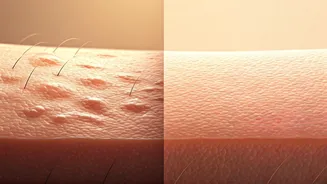
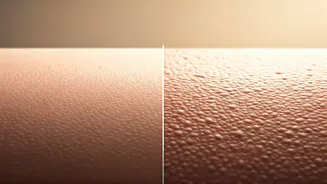
is chronic, low-grade inflammation, a state where persistent inflammatory signals gradually degrade skin tissues. This phenomenon, termed inflammatory aging, involves elevated levels of cytokines, like IL-6 and TNF-α. These molecules boost the activity of an enzyme called MMP-1, which is responsible for breaking down collagen. As collagen diminishes, the skin loses its firmness, leading to wrinkles and a reduction in elasticity. Understanding this link between inflammation and collagen degradation is crucial for developing effective anti-aging strategies.
Black Ginseng's Unique Properties
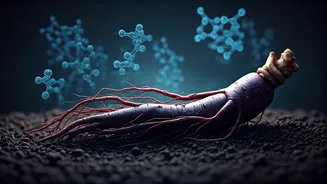
Black ginseng, derived from Panax ginseng through a special steaming and drying process, undergoes a significant chemical transformation. This unique preparation converts common ginsenosides into rarer, more potent forms such as Rg3, Rg5, and RK1, which are known for their enhanced biological activity compared to those found in white or red ginseng. While black ginseng has become popular in health products, the precise mechanisms by which it combats inflammation-related skin aging remained largely unclear until recent research. Scientists are now investigating its potential to preserve skin structure and function by targeting the molecular pathways involved in aging.
Lab and Skin Model Insights
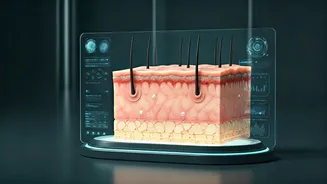
Researchers tested the effectiveness of black ginseng extract (BGE) on human foreskin fibroblasts, cells crucial for connective tissue. Astonishingly, BGE demonstrated its ability to reduce MMP-1 production even at low concentrations of 4 μg/mL, suggesting it could help protect collagen from inflammatory damage. To simulate real-world skin conditions more accurately, the team then utilized a sophisticated 3D reconstructed skin model. In this model, inflammation triggered by SDS was effectively counteracted by BGE. The extract significantly lowered the release of PGE₂, a marker of inflammation, while simultaneously increasing TIMP-1 levels. TIMP-1 acts as a natural brake on MMPs, indicating that BGE may help restore a balance between tissue breakdown and repair, vital for maintaining healthy skin.
Molecular Mechanisms Revealed
Further investigation delved into the molecular underpinnings of black ginseng's anti-aging effects. By employing advanced techniques like high-performance liquid chromatography and molecular docking, scientists identified the specific rare ginsenosides responsible for the observed benefits. These compounds were found to have strong interactions with key proteins involved in inflammatory pathways. This discovery provides compelling evidence that the active components in black ginseng directly influence the molecular targets associated with skin aging. The study suggests that BGE's ability to reduce inflammation and slow down age-related processes positions it as a promising, scientifically validated ingredient for skincare products aiming to promote skin health and resilience.