






A New Era for Cholesterol
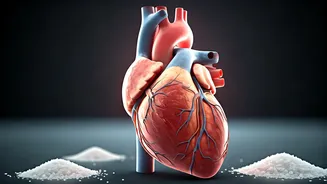
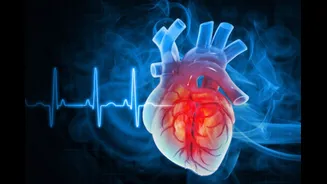
High cholesterol remains a significant public health concern, contributing to a substantial portion of cardiovascular events like heart attacks and strokes.
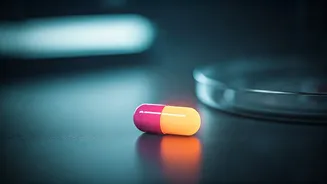
Despite the availability of various treatments, a large number of patients still fail to achieve their target LDL cholesterol levels. This unmet need highlights the demand for more effective and accessible therapies. The advent of enlicitide, an experimental oral medication, signifies a potential paradigm shift in how this chronic condition is managed. In a comprehensive phase three clinical trial, this once-daily pill exhibited an extraordinary capacity to reduce low-density lipoprotein (LDL) cholesterol, commonly referred to as 'bad' cholesterol. The observed reduction of up to 60% positions enlicitide as a highly potent option, comparable to some of the most powerful injectable treatments currently in use. Should it receive regulatory approval, this drug could offer a vital new avenue for millions to proactively manage their cardiovascular risk and mitigate the potentially devastating consequences of uncontrolled cholesterol.
The Science Behind Lowering LDL
The journey to understanding and treating high cholesterol has been long and complex, rooted in fundamental scientific discoveries. A pivotal moment arrived decades ago with the identification of the LDL receptor by researchers Michael Brown and Joseph Goldstein at UT Southwestern. These receptors, located on liver cells, are crucial for removing LDL cholesterol from the bloodstream. Their groundbreaking work, recognized with a Nobel Prize, paved the way for statins, the first widely successful cholesterol-lowering drugs. Building on this foundation, subsequent research, including insights from the Dallas Heart Study, identified genetic variations that lead to naturally low LDL levels. Specifically, these variations often involve reduced production of the PCSK9 protein. Normally, PCSK9 limits the number of LDL receptors on liver cells, thus hindering cholesterol clearance. Discoveries about PCSK9's role led to the development of injectable therapies, such as monoclonal antibodies and RNA interference treatments, which effectively block PCSK9 and can lower LDL by approximately 60%. However, the widespread adoption of these injectable treatments has been hampered by factors like cost and administration challenges, despite their efficacy.
Enlicitide's Promising Trial
The recently concluded phase three clinical trial for enlicitide involved a substantial cohort of 2,909 participants diagnosed with atherosclerosis or those at high risk due to related health conditions. The study meticulously compared the effects of enlicitide against a placebo, with the majority of participants already on statin therapy, yet still not meeting their cholesterol targets. The average LDL cholesterol level at the trial's outset was 96 mg/dl, significantly above the recommended 70 mg/dl for individuals with atherosclerosis and the 55 mg/dl for those at elevated risk. After 24 weeks of treatment, the results were striking: participants receiving enlicitide experienced an average LDL reduction of roughly 60% compared to the placebo group. Beyond LDL, the drug also showed positive impacts on other cardiovascular risk markers, including non-HDL lipoprotein cholesterol, apolipoprotein B, and lipoprotein(a). These beneficial effects were sustained throughout a year-long follow-up period. This level of cholesterol reduction achieved with an oral medication marks a significant advancement since the development of statins. Researchers are now embarking on further studies to confirm whether these substantial LDL reductions translate directly into a decrease in heart attack and stroke incidence.