




Evaporative Cooling Explained
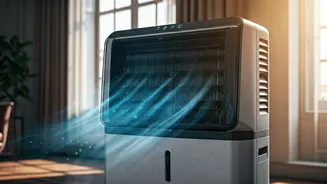
Air coolers operate on a straightforward principle: evaporative cooling. They work by drawing in warm air from the surroundings. This air then passes through
a moist cooling pad, usually made of cellulose or honeycomb material. As the air moves through this pad, the water evaporates, absorbing heat from the air. This process significantly lowers the air temperature, effectively cooling the room. The cooled air is then circulated back into the space, providing a refreshing breeze. This method is particularly effective in dry climates where the evaporation process is most efficient. Unlike air conditioners that use refrigerants, air coolers rely on the natural process of evaporation, making them energy-efficient and environmentally friendly options for cooling.
Advantages of Air Coolers
Air coolers offer several advantages over traditional air conditioning systems. One of the primary benefits is energy efficiency. Because they use less power, air coolers are cheaper to operate than air conditioners, translating to lower electricity bills. Additionally, air coolers are often more environmentally friendly as they do not use refrigerants, which can harm the ozone layer. They also add moisture to the air, which can be beneficial in dry climates, helping to alleviate dry skin and respiratory issues. Furthermore, air coolers are typically more portable and require less maintenance than air conditioners. This portability allows them to be moved from room to room, offering flexible cooling solutions for various needs. Their ease of setup and use makes them a convenient choice for many households.
Choosing the Right Cooler
Selecting the right air cooler involves considering several factors. First, assess the size of the room you intend to cool. Air coolers are rated by their airflow capacity, typically measured in cubic feet per minute (CFM). Higher CFM ratings are needed for larger rooms. Secondly, consider the features offered. Some air coolers come with remote controls, timers, and multiple fan speeds. Check if the model has an auto-fill water tank for continuous operation. Think about the location. If you live in an area with high humidity, an air cooler might be less effective. Look at the cooling pad material; honeycomb pads are generally more efficient than straw pads. Finally, check the ease of maintenance. Choose a model that is easy to clean and maintain, with accessible water tanks and cooling pads for long-term use.
Maintenance and Care
Proper maintenance is crucial for the optimal performance and longevity of an air cooler. Regularly clean or replace the cooling pads, as they can accumulate dust and mineral deposits over time, reducing their cooling efficiency. The frequency of cleaning depends on the usage and the quality of water used; using filtered water can minimize mineral buildup. Empty and clean the water tank regularly to prevent the growth of mold and bacteria. Most air coolers have filters that should be cleaned or replaced periodically to maintain air quality. In addition, store the air cooler properly during the off-season. Drain the water tank completely, clean all components, and cover the unit to protect it from dust and debris. Following these maintenance practices will ensure your air cooler continues to perform effectively and provide years of comfortable cooling.