




The Exosphere Explained
The exosphere represents the very edge of our planet's atmospheric embrace, situated at an impressive altitude ranging from approximately 440 miles all
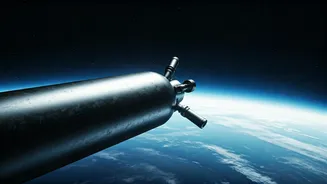
the way up to about 6,200 miles above Earth's surface. This vast region is characterized by extremely thin air, where atmospheric particles are so dispersed that they rarely collide with one another. Instead, they follow ballistic trajectories, often escaping into outer space. Unlike the denser layers below, the exosphere transitions almost seamlessly into the vacuum of space, making it a unique frontier. It’s here, in this rarefied environment, that a significant portion of our technological marvels, the satellites that connect us and observe our world, find their operational home. The sheer expanse and low density are key factors that make this layer an ideal, albeit extreme, location for orbital activities.
Satellites' Orbital Haven
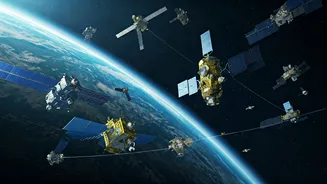
Remarkably, the exosphere has become the primary cosmic neighborhood for the majority of Earth-observing and communication satellites. The reason for this preference lies in the exosphere's extremely low atmospheric drag. In the denser layers of the atmosphere, even a slight resistance from air molecules can cause satellites to lose altitude over time, requiring frequent boosts to maintain their orbits. However, in the exosphere, this atmospheric resistance is practically negligible. This means that satellites can maintain their orbital paths for extended periods with minimal fuel expenditure, leading to longer operational lifespans and reduced maintenance costs. It's a strategic choice, leveraging the emptiness of this outermost atmospheric shell to ensure the reliable and efficient functioning of the vast network of artificial objects we've placed in orbit.