






Rhythms of Awareness
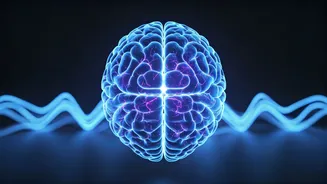
The human brain is a hive of electrical activity, constantly generating various types of brain waves. These waves, or brain rhythms, are crucial for organizing
and processing information. They're not just random fluctuations; they're synchronized patterns, each associated with different cognitive functions. These brain waves, which vary in frequency and amplitude, act as a sort of conductor, orchestrating the activity of different brain regions. They enable communication, perception, and thought. By studying these rhythms, scientists can gain insights into how the brain works and how it creates our sense of self and the world around us. These rhythms help distinguish internal thoughts and sensations from external sensory input, making it possible to perceive and interact with our environment. Therefore, understanding the nuances of these brain rhythms is key to unlocking the mysteries of consciousness and self-awareness.
Self vs. World
A core function of brain rhythms is to establish the boundary between ourselves and the external world. Different brain regions contribute to this separation. For example, some rhythms help to filter sensory information, deciding what's relevant and what's not. This filtering process prevents our brains from being overwhelmed by constant external stimuli. Other rhythms are responsible for integrating internal experiences, like thoughts and emotions, creating a cohesive sense of self. The brain doesn't just passively receive information; it actively constructs our reality, using these rhythms as a guide. When these rhythms malfunction, as in conditions like disorders of consciousness, the distinction between self and world becomes blurred. This underscores the crucial role of these rhythmic patterns in maintaining our fundamental sense of identity and place in the world. Further research in this area may offer valuable insights into treating neurological conditions.
Decoding Brain Signals
Scientists use various techniques, such as electroencephalography (EEG) and magnetoencephalography (MEG), to measure and analyze brain rhythms. EEG involves placing electrodes on the scalp to detect electrical activity, while MEG uses sensitive instruments to measure the magnetic fields produced by the brain's electrical currents. These methods provide a non-invasive way to observe the brain in action. Analyzing the patterns of brain waves can reveal how different brain regions communicate and collaborate. Specific frequencies are associated with different cognitive states, such as alertness, sleep, and focused attention. Studies using these techniques have provided critical evidence linking brain rhythms to cognitive processes, sensory processing, and even emotional regulation. The continued refinement of these technologies will further deepen our understanding of the brain's complexities, ultimately offering new approaches to treat neurological and psychiatric disorders.
Future Implications
The study of brain rhythms is a rapidly advancing field, offering exciting possibilities for future research and medical applications. One area of interest is the development of brain-computer interfaces, which could potentially enable individuals with disabilities to control external devices through their brain activity. Researchers are also exploring how brain rhythms can be manipulated to enhance cognitive performance or treat neurological disorders. For example, techniques like transcranial magnetic stimulation (TMS) can be used to alter brain wave activity, potentially improving mood or reducing symptoms of depression. Furthermore, understanding the role of brain rhythms in consciousness could lead to better diagnostic tools and treatments for conditions like coma or vegetative state. As our knowledge of brain rhythms deepens, we can expect transformative advances in neuroscience and clinical practice, offering innovative ways to understand and treat the complexities of the human brain.