




The Growing Heat Crisis
Urban areas are increasingly experiencing higher temperatures compared to their surrounding rural counterparts, a phenomenon known as the urban heat island
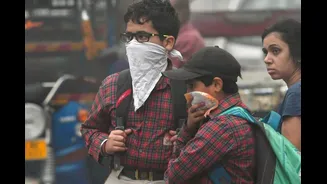
(UHI) effect. This intensifies with climate change, leading to more severe heatwaves. The primary drivers of this heat accumulation include buildings and pavement absorbing and retaining solar energy, a decrease in natural vegetation which would otherwise provide shade and cooling, and the significant heat generated by human activities and energy consumption within cities. The repercussions of these escalating urban temperatures are profound, manifesting as increased demand for energy used in cooling systems, detrimental effects on public health including heatstroke and worsened respiratory conditions, diminished worker productivity, and potential damage to urban infrastructure. Tackling this complex issue necessitates a comprehensive approach, weaving together thoughtful urban planning, the adoption of cutting-edge technologies, and active engagement from the community.
Embracing Green Infrastructure
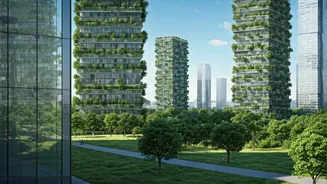
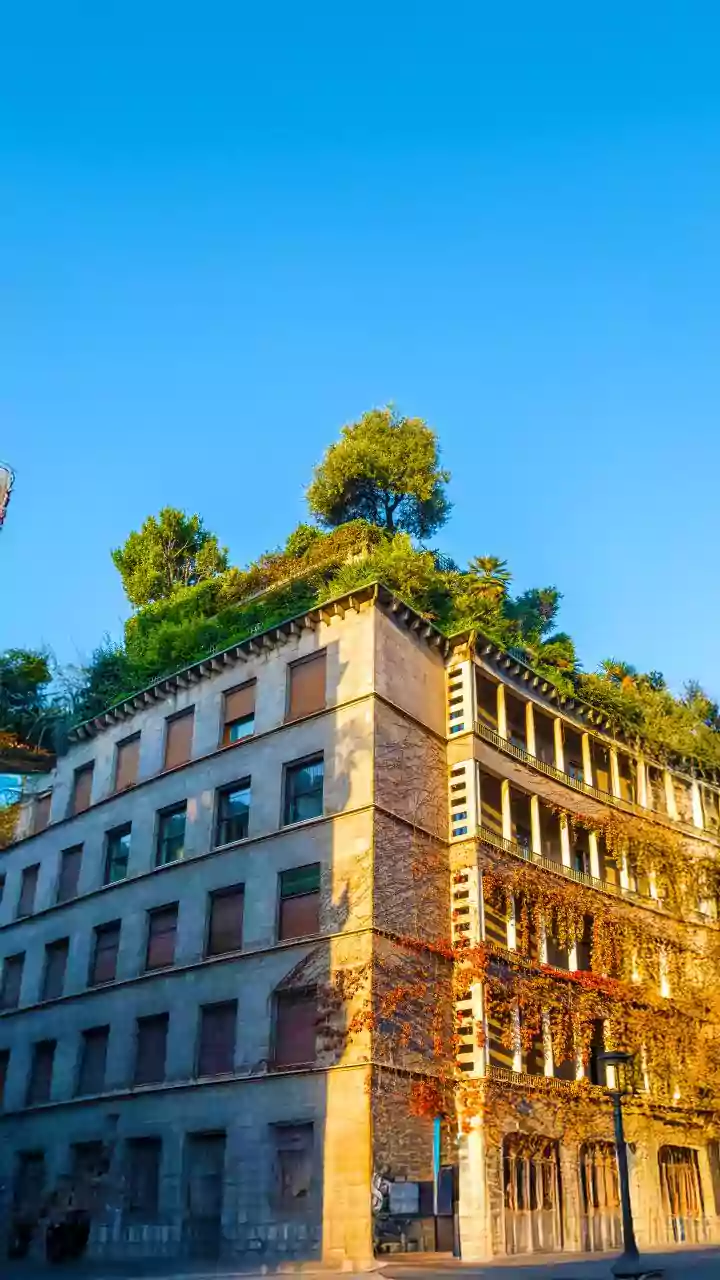
A cornerstone strategy for alleviating urban heat involves the widespread implementation of green infrastructure. This encompasses a range of initiatives, such as planting more trees throughout urban landscapes, installing green roofs and vertical gardens on buildings, and developing expansive parks and urban forests. Vegetation plays a crucial role by offering natural shade, actively cooling the air through evapotranspiration – the process of water movement through a plant and its evaporation – and absorbing carbon dioxide from the atmosphere. Research consistently demonstrates that even a modest increase in green coverage can lead to a significant reduction in ambient temperatures, making cities more comfortable and healthier places to live. These natural elements are vital for creating more temperate urban microclimates and enhancing overall environmental quality.
Cool Materials for Surfaces
Employing cool pavements and cool roofs presents another highly effective avenue for mitigating urban heat. These specialized materials are engineered to reflect a greater proportion of sunlight and absorb less solar heat compared to conventional construction materials. Cool pavements can be created using reflective aggregates or applying special coatings, while cool roofs are typically constructed with highly reflective membranes or coatings. Such innovative technologies have the potential to lower surface temperatures by as much as 30 degrees Celsius. This substantial reduction in surface heat directly translates into lower energy consumption for building cooling systems and a marked improvement in the thermal comfort experienced throughout urban areas, making them more resilient to heat.
The Power of Water Features
Incorporating water features into urban design offers a natural and aesthetically pleasing method for cooling city environments. Elements like fountains, ponds, and canals utilize the process of evaporation to lower surrounding air temperatures, creating localized cooling effects. Thoughtful integration of these water bodies into urban planning can establish microclimates that provide much-needed relief from the oppressive heat. However, it is imperative that these water features are designed and managed with careful consideration to ensure efficient water usage and to prevent any potential health risks associated with stagnant water, thereby maximizing their cooling benefits sustainably.
Smart City Cooling Solutions
Leveraging smart city technologies is becoming increasingly vital for the effective management of urban heat. The deployment of sensors allows for real-time monitoring of critical environmental parameters such as temperature, humidity, and air quality. This continuous stream of data provides invaluable insights for informed decision-making by urban planners and authorities. Furthermore, advanced predictive analytics can forecast the onset of heatwaves, enabling the timely implementation of targeted interventions. Examples include the deployment of dynamic shading systems to control solar heat gain in buildings and the activation of public cooling centers during periods of extreme heat, ensuring the safety and well-being of residents.
Urban Planning for Resilience
At the core of creating cooler cities lies fundamental urban planning and thoughtful design principles. This involves strategically orienting buildings and arranging them to optimize natural ventilation flows and minimize direct solar exposure during peak heat hours. It also includes fostering mixed-use developments that reduce the necessity for extensive travel, thereby decreasing heat-generating transportation activities. Crucially, policies that champion the adoption of sustainable building materials and mandate energy-efficient construction designs are essential components in building urban resilience against rising temperatures. These integrated approaches are key to long-term urban sustainability.
Community Involvement in Cooling
The successful implementation of any urban cooling strategy hinges significantly on active community engagement. Educating urban dwellers about the serious health risks posed by excessive urban heat and empowering them to take proactive measures, such as participating in local tree-planting initiatives or establishing shared cool spaces within their neighborhoods, can cultivate a profound sense of collective responsibility. Public awareness campaigns also play a pivotal role in highlighting the multifaceted benefits of embracing green infrastructure and adopting innovative cool technologies, fostering broader support and participation in creating more livable cities.
International Research Collaboration
A groundbreaking international research initiative, Sustainable Water-based Cooling in Megacities (Swim), is actively exploring novel approaches to cool large urban centers globally. This collaborative project brings together leading academic institutions like Nanyang Technological University in Singapore, and Aalborg University and Aarhus University in Denmark, with industry expertise from Grundfos, a specialist in energy-efficient water solutions. The primary objective is to rethink traditional cooling systems by developing renewable-powered, energy-efficient technologies that could potentially slash urban energy consumption by up to 30 percent. This initiative is aligned with ambitious climate goals, such as Singapore's target of net-zero emissions by 2050 and Denmark's commitment to climate neutrality by 2045, demonstrating a strong global commitment to sustainable urban development.