



TRACERS' Mission Goals
The primary objective of the TRACERS mission is to study how the solar wind interacts with Earth's magnetic field. This interaction results in dynamic
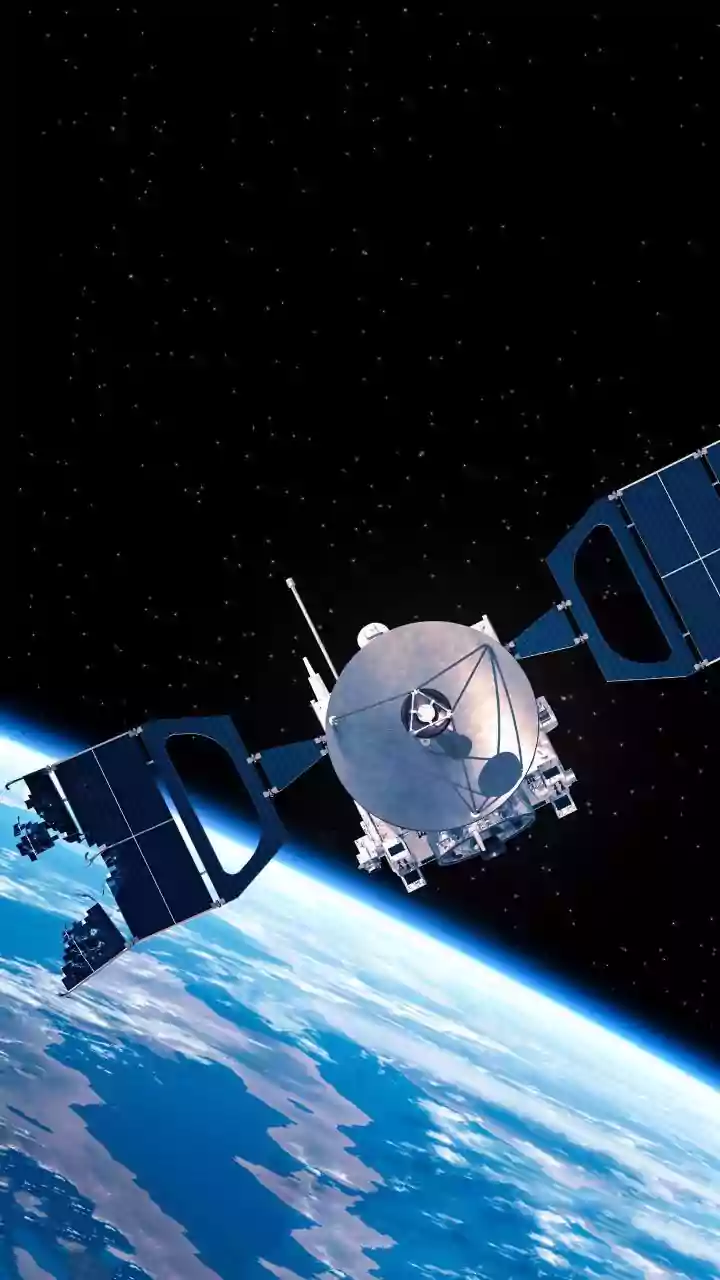
processes that affect both near-Earth space and Earth itself. TRACERS, short for 'TRacers of the Aurora, Coronal Emission, and Radio Science,' aims to investigate these interactions by utilizing two spacecraft. These spacecraft will measure the electric and magnetic fields within the auroral region. The data collected will help scientists understand how energy and particles from the sun enter Earth's magnetosphere, leading to events like auroras and potentially impacting our technological systems. The data collected by TRACERS will provide key information regarding space weather events, helping to enhance forecasting capabilities. By improving our comprehension of the magnetosphere-solar wind interaction, scientists can better predict and mitigate the effects of space weather on our planet and its technologies.
Launch and Deployment
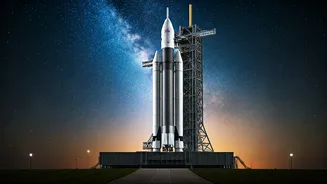
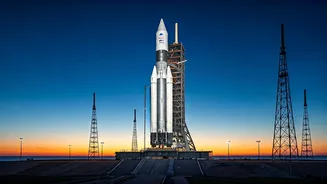
The TRACERS mission's launch was a significant step forward in understanding the complex dynamics of Earth's magnetic field. The mission successfully launched, signifying the commencement of its observational phase. The spacecraft were deployed into orbit, beginning their detailed study of the Earth's magnetosphere. This deployment was carefully planned to ensure optimal positioning for data collection. The mission's success highlights the importance of international collaboration in space exploration, as it involved partnerships between various space agencies and institutions. The data obtained from TRACERS will contribute to a more comprehensive understanding of the interactions between the sun and Earth. The successful launch of TRACERS represents a crucial advancement in studying the dynamic interactions between the Earth and the solar wind, offering new opportunities for understanding space weather.
Magnetic Field Insights
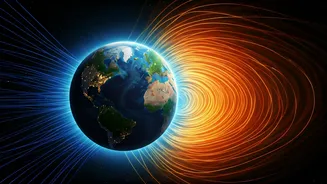
The Earth's magnetic field acts as a protective shield, deflecting the harmful solar wind particles. TRACERS' key function is to explore the intricacies of this field, which is constantly influenced by the sun. The mission will provide new insights into the dynamic processes that shape the magnetosphere. Scientists aim to understand the mechanisms that allow energy and particles from the sun to enter the Earth's environment, causing auroras and potentially disrupting technology. By analyzing the data gathered by the two spacecraft, TRACERS is designed to reveal the complex interplay of forces that define the magnetic field. The data collected from the TRACERS mission is anticipated to offer critical insights into space weather events. It is hoped that the new understanding will help improve the forecasting and preparedness for solar storms and their possible consequences.
Solar Wind Interactions
The solar wind, a constant stream of charged particles from the sun, interacts with Earth's magnetic field in complex ways. TRACERS is designed to study these interactions, which can produce various phenomena in the Earth's magnetosphere and affect our planet and technology. The spacecraft will analyze how the solar wind's energy is transferred to the magnetosphere, leading to geomagnetic storms. These storms can cause disruptions to communication systems, power grids, and GPS technology. Detailed study of the solar wind's interaction with the magnetosphere can enhance the ability to forecast space weather. Analyzing these interactions will offer valuable insight into how solar wind influences the Earth’s auroras and how space weather influences our planet. The mission's focus on the solar wind will refine scientists' understanding of these energetic events.
Impact on Technology
Space weather events, driven by solar wind-magnetosphere interactions, can significantly impact our technology infrastructure. Geomagnetic storms can interrupt communications, disrupt satellite operations, and potentially damage power grids. The TRACERS mission contributes to understanding and mitigating these risks. By providing detailed information, TRACERS can assist in improving space weather forecasts. These improved forecasts allow for better preparedness and protection of sensitive technological systems. The insights gained from TRACERS will help develop new mitigation strategies to shield critical infrastructure from the effects of solar storms. Ultimately, the findings from TRACERS will help protect critical infrastructure, enabling the continued use of communication technologies and space-based resources.