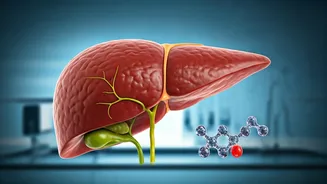










A Surprising Liver Connection
An asthma medication, formoterol, commonly used to manage respiratory conditions like asthma and COPD by opening airways, has unexpectedly shown potential
in reversing a dangerous liver condition known as MASH. MASH, or metabolic dysfunction-associated steatohepatitis, affects hundreds of millions globally and is a leading cause of liver transplants, yet effective treatments remain scarce. This discovery emerged not from targeted liver research, but from studies initially investigating formoterol's effects on diabetic kidney injury in mice. Researchers at the Medical University of South Carolina observed that mice treated with formoterol not only experienced less kidney damage but also exhibited a significant reduction in liver fat accumulation. This unanticipated outcome prompted a deeper investigation into formoterol's capabilities concerning metabolic liver diseases.
Formoterol's Impact on Liver Health
Following the initial surprising findings, scientists shifted their focus to understanding how formoterol might influence metabolic diseases, specifically in the liver. They administered formoterol to mice fed a high-fat diet, a common method for modeling MASH. The results were compelling: formoterol treatment not only prevented further fat buildup but actively reversed existing fatty liver pathology. Further examination into the drug's mechanisms indicated that formoterol might be enhancing cellular energy production by boosting mitochondrial function. Mitochondria, often called the 'powerhouses' of cells, are crucial for energy metabolism, and their improved efficiency could explain the reversal of liver damage. This suggests a potent effect on cellular energy regulation within the liver.
Human Data and Repurposing Potential
To bolster the preclinical findings, researchers analyzed existing patient data from individuals already using beta-2 agonists, like formoterol, for respiratory ailments. This retrospective analysis revealed a notable association: patients on these medications demonstrated lower incidences of severe liver-related complications, including cirrhosis and reduced all-cause mortality. MASH represents a severe stage of fatty liver disease where persistent inflammation leads to scarring, potentially progressing to liver failure. Given that there were no specific FDA-approved drugs for MASH at the time of this research, the prospect of repurposing an already established and safe medication like formoterol is exceptionally appealing. Its long history of use in respiratory conditions means its safety profile is well-understood, potentially accelerating its path to becoming a MASH treatment.
Clinical Trials and Future Prospects
While the existing data, from both mouse models and observational human studies, is promising, further investigation is crucial. Researchers are now actively enrolling patients in clinical trials to definitively confirm formoterol's benefits for MASH in humans. Notably, one ongoing trial is simultaneously evaluating its effects on diabetic kidney disease, as many patients with this condition also suffer from MASH. This 'two-for-one' approach is scientifically sound, given the shared underlying metabolic dysfunction. Key questions remain, such as the optimal dosage for metabolic disorders, whether inhaled formoterol effectively reaches and impacts the liver and kidneys in people, and the duration of its beneficial effects. However, if these trials yield positive results, formoterol could offer a readily available, safe, and cost-effective treatment option for millions battling MASH and related metabolic diseases.