






Feline Thermoregulation Explained
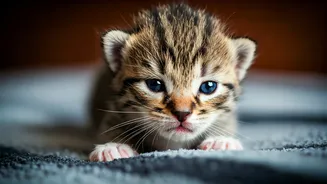
The initial days and weeks of a kitten's life are marked by a profound physiological immaturity, particularly concerning their internal temperature control.
Unlike adult cats, or even slightly older kittens, newborns possess underdeveloped thermoregulatory systems. This means they lack the sophisticated biological mechanisms required to generate and maintain a stable internal body temperature in the face of external environmental fluctuations. Consequently, they are highly susceptible to both chilling and overheating, making their immediate survival intricately linked to external heat sources. This biological limitation is a critical factor in their early development, dictating their behavior and their absolute need for proximity to their mother.
Maternal Heat: A Lifeline
For a newborn kitten, its mother is more than just a provider of nourishment; she is a living, breathing incubator. The constant physical contact with the mother cat's warm body is the sole method by which these vulnerable infants can maintain a safe and stable internal temperature. This reliance is not a matter of preference but a biological imperative. The mother's body heat provides the necessary external warmth that the kittens' own systems are not yet capable of producing. This close physical bond and the transfer of heat are essential for their survival during this delicate developmental stage, ensuring their metabolic processes can function optimally until they mature enough to regulate their own temperature.