







Convenience Food Boom
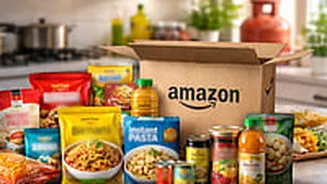
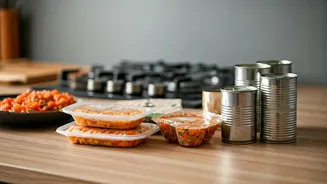
E-commerce platforms in India are experiencing a substantial uptick in consumer interest for convenient food options, particularly those requiring minimal
preparation. This surge, marked by a more than 15% growth in categories like instant noodles, pre-packaged meals, snacks, and beverages, is directly attributed to the ongoing challenges in LPG availability. The trend is not confined to major metropolitan areas; it's a widespread phenomenon observed across diverse urban and semi-urban centers, including cities like Hyderabad, Kolkata, Chennai, and even smaller towns such as Sonipat and Panaji, indicating a broad shift in consumer behavior driven by practical necessity.
Quick Commerce Growth
The quick commerce vertical is particularly benefiting from this demand shift, with sales of ready-to-eat and packaged foods on such platforms seeing an impressive month-on-month increase of approximately 20%. Customers in key urban hubs like Delhi-NCR, Mumbai, and Bengaluru are increasingly turning to rapid delivery services for their immediate culinary needs. This heightened reliance on quick deliveries highlights a growing preference for instant gratification and accessible meal solutions, further accelerating the adoption of convenient food options in busy urban lifestyles.
Balanced Consumer Strategy
Alongside the surge in immediate convenience shopping, a steady momentum is also evident in planned grocery purchases. Categories encompassing staples, cooking oils, beverages, and dry fruits and nuts continue to attract significant consumer attention. This dual pattern suggests a nuanced consumer approach, balancing the need for instant meal solutions with the ongoing practice of stocking essential pantry items. This indicates a resilient market that adapts to immediate needs while maintaining a degree of forward-thinking purchasing habits for everyday necessities.
Addressing Supply Concerns
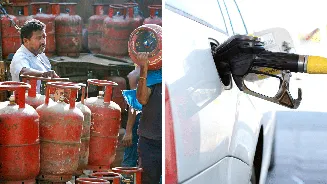
In response to the widespread LPG shortages, which have seen consumption drop significantly, particularly in early March, the government is actively working to improve supply chains. Measures are being implemented, including increasing commercial LPG supplies to states that expedite the development of piped gas networks. The disruption in LPG imports, a consequence of geopolitical tensions in West Asia, has necessitated a focus on domestic production, with refineries being tasked to ramp up output. Priority is being given to household kitchens to mitigate the impact on daily life.