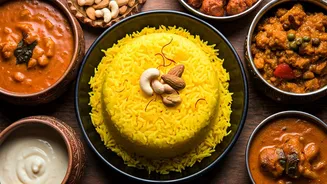







Sweet Beginnings: Meethe Chawal
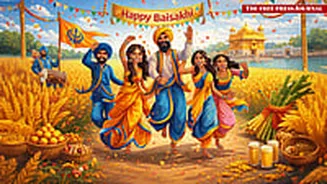
As Baisakhi ushers in the Sikh New Year and the bounty of the rabi harvest, the culinary landscape is dotted with dishes that symbolize joy and prosperity.
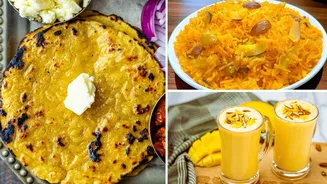
Meethe Chawal, a delightful sweet rice preparation, stands out as a prime example. This dish is meticulously crafted with fragrant rice, sweetened with sugar, and enhanced with the richness of roasted nuts and ghee. A touch of kesar (saffron) and a hint of salt and pepper are added to balance the flavors. Beyond its delicious taste, Meethe Chawal holds significant cultural weight. Experts suggest its sweet profile and the inclusion of ingredients like saffron and nuts are meant to reflect the auspiciousness of new beginnings, the abundance of the harvest, and the general sense of good fortune that characterizes this vibrant festival. It’s a culinary embodiment of happiness and a prosperous start to the year ahead, setting a joyous tone for the celebrations.
Comfort and Community: Kadhi Chawal
A quintessential comfort food in many Indian households, Kadhi Chawal takes on a special significance during Baisakhi, embodying the spirit of togetherness. This popular combo features a savory, tangy Kadhi served alongside fluffy steamed rice. The Kadhi itself is a complex blend of ingredients, typically prepared with gram flour, curd or buttermilk for its characteristic tang, and seasoned with mustard oil, mustard seeds, curry leaves, fenugreek seeds, and dry red chilies. A touch of dry mango powder adds a subtle sourness, all seasoned with salt. The importance of Kadhi Chawal during Baisakhi extends beyond its taste; it is traditionally prepared in substantial quantities, reflecting the community's commitment to sharing and fellowship. This communal aspect highlights the interconnectedness of the harvest season and the joy derived from feasting together, making it a heartwarming centerpiece of the Baisakhi meal.
Refreshing Indulgence: Lassi
As the celebrations unfold, often under the spring sun, Lassi emerges as a beloved and essential beverage. This creamy, cooling drink is a delightful concoction of yogurt, sugar, and malai (cream), often enhanced with rose syrup, nuts, and a delicate hint of rose water for fragrance. Its primary role during Baisakhi is to provide refreshment and hydration, a welcome relief after hours of festivities and outdoor activities. However, Lassi’s significance runs deeper than its cooling properties. According to traditional beliefs and legends, serving Lassi is a gesture of genuine warmth and hospitality, a way to welcome guests and share in the abundance of the season. Whether presented in traditional earthen glasses or more modern metalware, Lassi perfectly encapsulates the inclusive and generous spirit that defines the harvest festival.
Hearty Flavors: Amritsari Chole
Adding a robust and flavorful dimension to the Baisakhi spread is Amritsari Chole, a celebrated spicy chickpea dish. This popular preparation involves tender chickpeas simmered in a rich gravy infused with a medley of ground spices, fresh onions, vibrant coriander leaves, ginger, and a final flourish of lemon juice. It is most often enjoyed as a delectable accompaniment to fluffy bhature or soft kulcha. From a nutritional standpoint, chickpeas are an excellent source of plant-based protein and sustained energy, providing the stamina needed for long festival hours. Culturally, Amritsari Chole embodies the warmth and generous hospitality synonymous with Punjabi homes. The authentic preparation often involves hand-pounded spices that impart a distinctive aroma and depth to the simmered beans, which are then gently mashed to achieve a desirable thick consistency, all served with immense care and affection.
Sacred Offering: Kada Prasad
No Baisakhi celebration is complete without the revered Kada Prasad, a sweet semolina dish that holds immense spiritual and cultural importance. This rich offering is meticulously prepared with whole wheat flour, generous amounts of ghee, and sweetened with sugar or sugar syrup. Kada Prasad is traditionally prepared with utmost devotion and is first offered to the Almighty as bhog before being lovingly distributed among all attendees. Its nutritional profile is dense and energy-rich, symbolizing the prosperity and abundance reaped from the harvest. Culturally, the act of preparing Kada Prasad with heartfelt devotion and sharing it equally with everyone serves as a profound reminder of the festival’s core values: gratitude, sharing, and spiritual connection. It embodies the idea that the true essence of Baisakhi lies in communal joy and heartfelt appreciation.