






The Charger's Roar
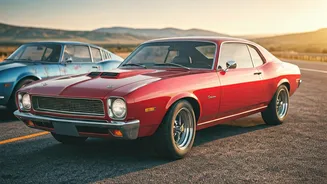
The 1969 Dodge Charger is a frequent topic, not for its nuanced driving dynamics, but for its sheer sonic presence and iconic role in cinematic car chases.
Conversations often revolve around its potent 426 Hemi V8 engine, with horsepower figures and the visceral sound of acceleration dominating the narrative. This specific memory, tied to its thrilling performance and visual impact on screen, tends to remain consistent and deeply ingrained in automotive discussions, often overshadowing other aspects of its design or historical context.
Distinctive Rear Glass
Beyond sheer power, certain design elements capture the imagination. The split rear window, for instance, often emerges as a primary talking point, even preceding discussions about technological advancements like fuel injection or specific horsepower ratings. This detail, which defines the car's silhouette, is a powerful visual cue that triggers fond memories and preferences for particular models, showcasing how aesthetic choices can become as memorable as performance metrics.
Engine Longevity Matters
When it comes to enduring appeal, engine longevity frequently outweighs aesthetic appeal or raw performance figures in fatherly car discussions. The reputation for a long-lasting powertrain significantly shapes a vehicle's legacy, highlighting a practical appreciation for durability and reliability. This focus on how long an engine can realistically perform underpins many enduring affections for certain automotive classics, emphasizing substance over fleeting trends.
Off-Road Prowess
The allure of adventure often begins with a vehicle's off-road capabilities. Compact dimensions and robust transfer case gearing become crucial when navigating challenging terrains. These features are typically highlighted when discussing excursions into difficult landscapes, underscoring the vehicle's utility for exploration and rugged use, making it a symbol of outdoor freedom and capability.
Roadside Reliability
Many cherished car stories commence with tales of roadside repairs, facilitated by the accessibility of air-cooled engines. These mechanical marvels were renowned for their straightforward design, allowing for relatively simple maintenance and troubleshooting even in remote locations. The ease of mechanical access offered by these engines became a cornerstone of their practical appeal and a source of confident self-sufficiency for owners.
Smokey Bandit's Fame
The classic film _Smokey and the Bandit_ significantly amplified the recognition of a particular vehicle. Its association with the movie cemented the 6.6-liter V8 engine and distinctive hood graphics in popular culture. This cinematic link between the car's performance and its memorable visual elements, especially during the late 1970s, became an indelible part of its identity and enduring appeal.
Utility Meets Comfort
A unique blend of rugged utility and refined comfort was achieved by placing wood paneling and plush leather interiors atop a robust 4-wheel-drive frame. This combination blurred the lines between a workhorse and a luxury vehicle, offering a versatile package that appealed to a wide range of drivers. It represented a significant step in vehicle design, bridging practicality with passenger comfort.
Quarter-Mile Dominance
The reputation of certain models is largely defined by their prowess on the drag strip, particularly their quarter-mile times. The turbocharged 3.8-liter V6, despite its potentially less aggressive visual cues compared to rivals, often held its own and was frequently compared favorably against more outwardly sporty competitors, showcasing its hidden power.
Remembered Decals and Power
While distinctive decals often remain in memory, the true legends are recalled for their potent performance, such as the Ram Air IV engine. Paired with a Hurst shifter, these vehicles became synonymous with thrilling street-racing narratives. The combination of visual flair and raw, mechanical power fueled a passion for performance driving and competitive spirit.
Versatile Hardtop Design
The adaptability of a vehicle's design allows it to transition seamlessly between different uses. With the hardtop removed, this particular model transforms from an enclosed, practical utility vehicle into an exhilarating open-air driving experience. This design flexibility caters to various needs and preferences, enhancing its appeal for diverse driving scenarios and lifestyles.
Distinctive Rear Doors
A defining characteristic that anchors the memory of this vehicle is its innovative use of rear-hinged doors, often referred to as suicide doors. Coupled with a long-body, V8 layout, this design lent the car a distinctive formal presence and a stately, unhurried demeanor on the road, contributing to its unique character and perceived elegance.
The Tailfin Era
The dominant visual element that captures the imagination is the unmistakable presence of tailfins, synonymous with a bygone era of automotive design. Beneath this striking aesthetic lies a significant engineering achievement: the 283 V8 engine, which marked a milestone by delivering one horsepower for every cubic inch of displacement, a notable feat for its time.
LS6 Muscle Power
The impressive LS6 output is an early highlight in discussions about this vehicle, immediately signaling its performance credentials. This is further amplified by the Cowl Induction setup, designed to feed a massive 454-cubic-inch engine. This combination was meticulously engineered for relentless, hard acceleration, defining its reputation as a powerhouse.
Compact Performance Shift
A 289 V8 engine housed within a compact frame dramatically altered perceptions of performance driving. This setup democratized accessible speed, opening up the exhilarating world of performance vehicles to a broader audience beyond the traditional muscle car enthusiasts. It represented a significant expansion of the performance market.
Workhorse Capabilities
The primary association for this vehicle often stems from its robust capabilities in work-related applications, particularly its strength in towing and hauling heavy loads. These practical strengths are typically discussed long before any consideration is given to its suspension design or more subtle engineering aspects, emphasizing its utilitarian value.