



Shrinking Sea Ice
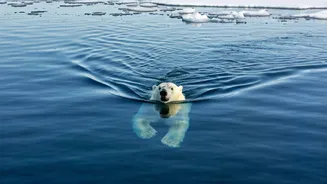
The relentless decline of Arctic sea ice, driven by climate change, is fundamentally altering the polar bear's way of life. Sea ice serves as the primary
platform for these magnificent predators to hunt their main food source: seals. As the ice melts earlier in the season and refreezes later, polar bears are forced to spend extended periods on land, where they have limited access to food. Research reveals that this shift is significantly impacting their hunting success and overall health. The implications extend beyond the bears themselves, disrupting the entire Arctic food web. This highlights the urgent need to understand the long-term consequences of sea ice loss and to explore measures that mitigate the climate crisis.
Food Scarcity's Impact
The scarcity of food due to the reduced hunting opportunities is leading to a cascade of negative effects on polar bear populations. Studies have shown that bears in certain regions are exhibiting lower body weights and reduced reproductive success. Females, struggling to find sufficient resources, produce fewer cubs, and the cubs that are born have lower survival rates. This situation is particularly critical in areas where the ice-free season is prolonged, forcing the bears to fast for months. The challenges extend to scavenging; the decrease in seal availability affects the availability of carcasses, thus impacting species that rely on polar bear kills. Understanding these interconnected ecological impacts is vital for devising effective conservation strategies and assessing the long-term viability of polar bear populations in a warming world.
Potential Adaptations?
Scientists are actively investigating whether polar bears possess adaptations that may help them cope with the rapidly changing environment. Some studies suggest evidence of behavioral shifts, such as bears traveling longer distances to find food or exploring new foraging strategies. These adaptations are crucial for survival. However, the extent and effectiveness of these adaptations are still being examined. This includes research into metabolic changes. Some bears may be adapting to periods of fasting. While these behaviors and adaptations show resilience, their capacity to compensate for the significant changes resulting from climate change is being closely monitored. There are questions about whether these changes can adequately offset the detrimental impacts of dwindling sea ice and the overall challenges to their environment.
Ecological Importance
Polar bears hold an essential role in the Arctic ecosystem, serving as an apex predator and influencing the populations of other species. As top-level carnivores, they play a critical role in regulating seal populations, preventing overgrazing that could negatively impact the Arctic environment. Additionally, polar bear kills provide a valuable food source for scavengers, including Arctic foxes and various bird species. The decline of polar bears could trigger a cascade of effects throughout the food web, leading to imbalances and potential disruption of the entire ecosystem. Because of their significant role, their survival is crucial for the health of the entire Arctic. This highlights the importance of conservation efforts and the need to protect their natural habitat.
Conservation Challenges
Protecting polar bears poses multifaceted challenges, compounded by the realities of climate change and international politics. Efforts to reduce greenhouse gas emissions are essential to slow the melting of sea ice and mitigate habitat loss. Moreover, the creation of protected areas and the management of human-wildlife interactions are key elements of conservation strategies. It is also important to consider the need for collaborative, international approaches, since polar bear populations range across multiple countries. Conservation also requires the support of local communities, as they often have traditional knowledge and a direct relationship with polar bears. Addressing these complex issues requires dedication and innovation to secure the long-term survival of this species.