





Understanding Chikungunya's Threat
Chikungunya is a formidable mosquito-borne viral disease, primarily transmitted by Aedes species mosquitoes, that brings about a spectrum of debilitating
symptoms. The initial infection typically manifests as an acute fever, accompanied by a widespread rash and intense, severe pain in the joints and muscles. This affliction highlights the virus's strong affinity for musculoskeletal and connective tissues, leading to significant discomfort and impairment. While the majority of individuals recover from the acute phase, a considerable percentage are left to contend with chronic inflammatory joint conditions. These persistent symptoms can linger for months or even years, closely mimicking the presentation of autoimmune arthritic disorders, posing a significant public health challenge and driving the urgent need for effective prevention strategies. The growing incidence of Chikungunya outbreaks in mosquito-prone regions, coupled with its potential introduction to new areas by infected travelers, has amplified the interest in developing robust preventive measures against this pervasive illness.
Innovative Vaccine Design
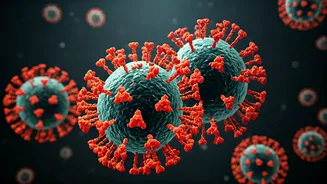
Scientists at Griffith University are making significant strides towards a novel vaccine for Chikungunya, employing an ingenious strategy that leverages engineered E. coli bacteria. This innovative method involves using these microscopic organisms as biological factories to construct minuscule biopolymer particles. These particles are meticulously designed to display Chikungunya antigens on their surface, effectively creating a safe and realistic target for the immune system to encounter. The objective is to allow the immune system to practice its defense mechanisms against the virus's key components without actually exposing individuals to the disease itself. Professor Bernd Rehm, a leading researcher at Griffith’s Institute for Biomedicine and Glycomics, explained that these synthetic biopolymer particles, referred to as adjuvant-free E2-BP-E1, bear a striking resemblance to the actual virus, thereby eliciting a robust immune response. This approach ensures that the immune system can mount a protective response, prepared for future encounters with the live virus, while circumventing the risks associated with traditional vaccine methods.
How the Body Reacts
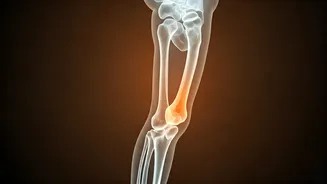
The body's response to the Chikungunya virus, once introduced through a mosquito bite, is a complex multi-stage process that can profoundly influence the immune system and cause widespread inflammation. Initially, infected individuals often experience sudden high fever, chills, and a general feeling of severe malaise. This is quickly followed by intense joint and muscle pain, headaches, a characteristic rash, and swollen joints, symptoms that can be intensely incapacitating even if the fever subsides relatively quickly. Professor Rehm elaborated that after the initial infection, the Chikungunya virus demonstrates a distinct preference for targeting joint tissues, muscle fibers, and connective tissues. This specific tropism is a primary reason for the pronounced and persistent pain and stiffness experienced by patients. The presence of the virus triggers direct tissue damage and significant inflammation. Furthermore, the immune system itself can become involved in an autoimmune-like manner, further exacerbating the tissue damage and inflammation, creating a challenging environment for recovery.
Long-Term Health Consequences
Beyond the acute phase, Chikungunya poses a significant long-term health threat, particularly concerning its impact on joint health. Worryingly, the immune system can continue to target and attack joint tissues even after the virus has been cleared from the body. This sustained immune response is believed to be responsible for the chronic inflammatory joint symptoms experienced by a substantial proportion of patients. Up to 60 percent of individuals infected with Chikungunya may suffer from long-lasting joint pain that can persist for months or even years. These persistent symptoms often present as chronic arthritis, closely resembling the debilitating condition of rheumatoid arthritis. The prolonged discomfort and disability associated with chronic Chikungunya arthritis highlight the critical need for effective preventive measures, such as the promising vaccine candidate being developed, to mitigate these severe long-term health sequelae and improve the quality of life for affected individuals. Professor Rehm indicated that following the successful preclinical studies, the next crucial steps involve progressing to clinical development, initiating trials to assess the vaccine's safety in human patients before moving on to evaluate its efficacy in preventing the disease.