
Solar Maximum's Impact
The year 2026 is anticipated to be a standout year for observing the Northern Lights, primarily owing to the effects of the solar maximum. Solar maximum is the period
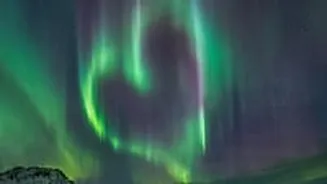
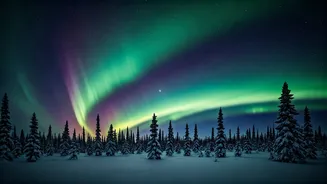
in the sun's 11-year cycle marked by elevated solar activity. During this phase, the sun releases increased amounts of energy, which frequently manifests as solar flares and coronal mass ejections (CMEs). These events are critical in creating the conditions necessary for the Aurora Borealis. Solar flares and CMEs eject vast quantities of plasma and charged particles into space. When these charged particles encounter Earth’s magnetic field, they are channeled towards the polar regions. This interaction then leads to the spectacular light shows that characterize the Northern Lights.
Geomagnetic Storms Explained
Geomagnetic storms play a crucial role in enhancing the brilliance of the auroras. When the solar wind, rich with particles from the sun, interacts with Earth’s magnetic field, it can trigger these storms. The intensity of these storms is assessed on a G-scale, ranging from G1 (minor) to G5 (extreme). These geomagnetic disturbances are responsible for pushing the auroral displays to lower latitudes, making them visible in locations where they are usually unseen. NOAA issues alerts regarding geomagnetic storm activity, providing information to help predict and prepare for these celestial events. The frequency and intensity of these storms are expected to rise during the post-solar maximum period, leading to a surge in aurora sightings.
Post-Solar Maximum Surge
The period following the solar maximum is expected to intensify the occurrence and brilliance of the Northern Lights. After the peak in solar activity, the sun’s behavior transitions. This transition can lead to a state where the sun releases more energy in the form of CMEs and solar flares. These events are often more frequent and impactful during this time. This increased solar activity leads to more frequent geomagnetic storms, which in turn fuel stronger and more visible auroral displays. Scientists predict that this phase could offer exceptional viewing opportunities for aurora enthusiasts, offering more chances to witness the spectacular displays of light. Therefore, the post-solar maximum phase is an important period in understanding and experiencing the Northern Lights.
Observing the Auroras
Watching the Northern Lights involves several factors to maximize viewing opportunities. Primarily, choosing locations with limited light pollution is vital. Dark skies are essential for making the faint light of the auroras visible. A clear view of the northern horizon is also important, as the auroras typically appear in this direction. Observing during periods of high geomagnetic activity is critical, as these are the times when the auroras are most active and potentially visible at lower latitudes. Checking forecasts from space weather agencies, like NOAA, can help identify times when solar activity is expected to be high. By watching for these indicators, enthusiasts can greatly enhance their chances of witnessing the stunning display of the Northern Lights.