






Muscle Building Myths
The idea that excessive protein intake is the sole driver of significant muscle growth is a prevalent misconception. While protein is undeniably crucial
for muscle repair and development, the human body has a finite capacity to utilize it for these purposes at any given time. Consuming protein beyond this optimal threshold doesn't necessarily translate into proportionally greater muscle gains. Instead, surplus protein is often processed by the body for energy or stored as fat. Experts generally recommend a balanced daily protein intake that aligns with individual activity levels and fitness objectives. This typically ranges from 0.8 to 2.2 grams of protein per kilogram of body weight, a guideline that emphasizes sufficiency rather than excess for most individuals seeking to build muscle effectively. Focusing on a well-rounded diet and consistent training is more impactful than simply overconsuming protein.
Protein Source Variety
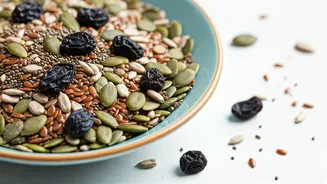
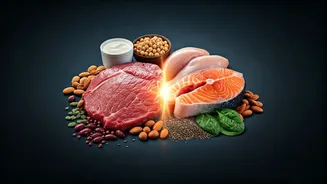
Not all protein sources are created equal, and their value hinges on their amino acid composition and how readily the body can absorb them. 'Complete' proteins, abundantly found in animal-based foods like lean meats, fish, eggs, and dairy products, provide all nine essential amino acids that our bodies cannot produce independently. Conversely, plant-based proteins, such as those found in beans, lentils, and nuts, are often considered 'incomplete' because they might be lower in one or more of these essential amino acids. However, this doesn't diminish their nutritional value. By consuming a variety of plant-based protein sources throughout the day, one can effectively acquire all necessary amino acids. The body's ability to absorb and utilize protein, known as bioavailability, also varies, with animal proteins generally being more easily assimilated.
Post-Workout Timing
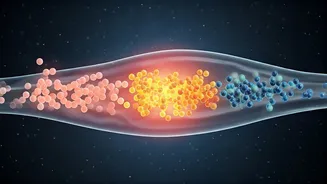
The popular notion of an 'anabolic window' – a short period post-exercise where protein consumption is deemed critical for maximizing muscle growth – is often overstated. While strategic nutrient intake following a workout can be beneficial, the overall daily protein consumption plays a far more significant role in muscle recovery and adaptation. Rather than fixating on immediate post-exercise consumption, a more effective strategy involves distributing protein intake evenly throughout the day, encompassing both pre- and post-workout periods. This approach ensures a consistent supply of amino acids available for muscle repair and synthesis, supporting long-term gains more reliably than adhering to a strict, narrow timing window.
Supplements vs. Whole Foods
While protein supplements can offer convenience and a concentrated source of protein, especially for individuals with higher dietary requirements or challenges in meeting them through food alone, they are not inherently necessary. Whole food sources remain the primary and preferred method for obtaining protein, as they deliver a broader spectrum of essential nutrients, including fiber, vitamins, and minerals. Protein supplements should be viewed as a complementary addition to a balanced diet, rather than a replacement for whole foods. Prioritizing nutrient-dense foods ensures a more holistic approach to nutrition, supporting overall health beyond just protein intake.
Excessive Intake Risks
Despite protein's importance, consuming it in excessive amounts is not always beneficial and can carry potential risks. For individuals with pre-existing kidney conditions, very high protein diets may place an undue strain on these organs. Furthermore, an overemphasis on protein can inadvertently lead to deficiencies in other crucial macronutrients, such as carbohydrates and healthy fats, if they are displaced from the diet. It is essential to strike a balance, ensuring protein intake supports health goals without compromising the overall nutritional completeness and diversity of one's diet. This moderation is key to long-term well-being and preventing potential health imbalances.