
Europa's Mysterious Surface
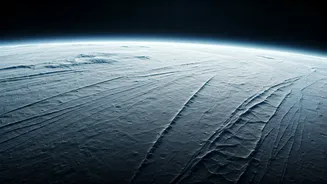
Europa, a moon of Jupiter, has long captivated scientists because of its icy shell, which conceals a vast ocean. The surface displays unique geological
formations, including the intriguing 'spider scar.' The spider-like structures are of particular interest to researchers, because they are the potential clue to the presence of subsurface water. This makes Europa a prime candidate in the search for extraterrestrial life within our solar system. The understanding of these features is crucial in planning future missions to Europa.
Spider Scar's Significance
The 'spider scar' on Europa's surface is a key area for scientific investigation. The scar's structure suggests a history of geological activity, potentially linked to the movement of water beneath the ice. The presence of water would dramatically raise the probability of life. The discovery could inform future missions to Europa, helping to pinpoint the best locations for exploration.
Subsurface Ocean Hypothesis
The evidence supporting the existence of a subsurface ocean on Europa is substantial. The characteristics of the moon's surface, particularly the 'spider scar', align with geological processes driven by liquid water. The existence of a subsurface ocean could provide the necessary conditions to support life. Further research will aim at understanding the characteristics of the ocean, which may enhance our knowledge of habitable environments within the Solar System.
Implications for Life?
If Europa has a subsurface ocean, it dramatically increases the possibility of microbial life existing on the moon. The presence of water, energy sources, and essential chemical compounds could create a habitable environment, similar to Earth. As such, the study of Europa's subsurface ocean provides new targets in the quest to find life beyond Earth. Identifying the components of Europa's water is a vital step in discovering the possibilities of life on other planets.
Future Missions Ahead
Future missions to Europa are planned with the specific aim of exploring the moon's subsurface ocean. These missions are designed to study Europa's composition, the characteristics of the ocean, and the potential for life. Scientists will collect data and use advanced instruments to analyze the moon's surface and the environment beneath it. The findings from these missions will provide invaluable insights into the possibility of life beyond Earth.