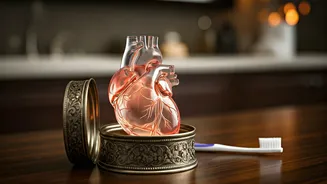




The Mouth-Heart Connection
It might seem like a minor daily chore, but skipping your evening toothbrushing ritual could extend its consequences far beyond the typical concern of
cavities. Leading medical professionals are highlighting a significant, often overlooked, connection between maintaining good oral hygiene and safeguarding your cardiovascular system. Dr. Kunal Sood, an anesthesiology and interventional pain medicine physician, has emphasized that neglecting to brush before sleeping can notably increase your risk of developing serious heart conditions. This isn't just about preventing decay; the theory suggests that oral bacteria can infiltrate your bloodstream, initiating a cascade of inflammation that, over time, can adversely affect your heart’s function. While poor oral hygiene isn't a direct cause of heart disease, it stands as a crucial contributing factor among many that can lead to cardiovascular complications. Interestingly, studies indicate that individuals who prioritize frequent brushing, aiming for at least three times a day, tend to exhibit better heart health outcomes and a reduced incidence of issues like gum disease and tooth loss, underscoring oral care as a surprisingly accessible method for supporting a healthy heart.
Bacteria's Inflammatory Path
When you forgo brushing your teeth at night, a buildup of plaque and a breeding ground for bacteria are inadvertently created in your mouth. These mischievous microbes then begin to release potent toxins. The alarming part is that these toxins can easily migrate from your mouth into your bloodstream. Once circulating, they can spark a widespread inflammatory response throughout your body. Dr. Jagadish Hiremath, a public health advocate, explains that this ongoing, chronic inflammation poses a significant threat to the delicate lining of your blood vessels. Over an extended period, this can accelerate the development of arterial plaque, a key contributor to narrowed arteries and an increased susceptibility to cardiovascular problems such as heart attacks and strokes. It's important to note that not everyone who struggles with their oral hygiene will inevitably develop heart disease, but consistently addressing this risk factor through diligent cleaning is a powerful strategy for mitigating inflammation and bolstering your overall heart health.
Assessing Risk and Integrating Care
Understanding your personal risk for cardiovascular issues involves a holistic view of your health. This includes monitoring key indicators like blood pressure, cholesterol levels, and blood sugar. Factors such as your family history and lifestyle choices, including your diet, exercise habits, and whether you smoke, also play a vital role. Oral care fits seamlessly into this broader picture by actively preventing gum disease and substantially reducing systemic inflammation. Dr. Hiremath advises that regular brushing, daily flossing, and routine dental checkups are not just about your teeth; they actively complement a heart-conscious lifestyle by mitigating one of the significant risk factors for heart ailments. By visiting your dentist for regular cleanings and promptly addressing any early signs of gum problems, you effectively contribute to maintaining both a healthy mouth and a resilient heart, ensuring a dual approach to your well-being.
Practical Steps for Busy Lives
For those navigating the complexities of a demanding schedule, maintaining consistent oral hygiene might seem like another challenge, but the key lies in simple, actionable steps. Dr. Hiremath stresses that consistency trumps complexity. Aiming to brush for the recommended two minutes at least twice daily is foundational. Incorporating a quick brush after your midday meal can further enhance cleanliness. Don't underestimate the power of flossing or using interdental brushes before retiring for the night; these tools are essential for dislodging plaque that your toothbrush might miss. To ensure you're never caught unprepared, consider keeping a travel-sized toothbrush and toothpaste at your workplace or in your bag, making it effortless to maintain your oral care routine on the go. Furthermore, scheduling regular dental checkups every six months is a proactive measure that allows for early detection and management of potential issues, safeguarding your long-term oral and, by extension, cardiovascular health without adding undue stress to your busy life.