






Hydrogen Production Revamped
A recently introduced electrochemical method has achieved a notable feat: doubling the output of hydrogen while decreasing the associated energy costs.
This advancement suggests a more efficient pathway for hydrogen generation compared to existing methods. Hydrogen, a clean-burning fuel, is drawing increasing attention as a potential alternative to fossil fuels. The new method is of particular interest as it addresses the key obstacles of high cost and low efficiency, which have hindered the wider adoption of hydrogen technology. It's hoped that this innovation will speed up the transition to cleaner energy systems.
Electrochemical Process Explained
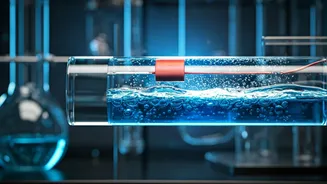
At its core, this innovative technology relies on a refined electrochemical process. The specifics of the process involve novel materials and configurations within an electrochemical cell. This arrangement boosts the efficiency with which water molecules are split into hydrogen and oxygen. The breakthrough comes from optimizing the catalysts and electrolytes used in the reaction. These improvements lead to a significant boost in hydrogen production rates while also reducing the amount of energy needed to sustain the process. The impact of the new method extends beyond simple improvements, offering the prospect of more sustainable and affordable hydrogen.
Energy Cost Reductions
One of the most significant advantages of this new method is its ability to reduce the energy costs associated with hydrogen production. Traditionally, electrolysis, a common method for splitting water, has been energy-intensive. The new approach dramatically decreases the energy requirements, making the process much more cost-effective. The lower energy demands translate to reduced operational expenses and increased profitability for hydrogen producers. Ultimately, lowering the financial barriers to hydrogen production is crucial for the widescale adoption of hydrogen as a clean fuel. This advancement means a cleaner, cheaper source of energy is closer than ever.
Implications and Future
The implications of this electrochemical breakthrough are far-reaching. By making hydrogen production more efficient and cost-effective, the new method supports hydrogen's role as a key player in the global energy transition. This discovery enables the potential for wider use across various sectors, including transportation, industry, and power generation. Looking ahead, researchers are working to refine and scale up the technology. Future research efforts will focus on enhancing the durability and longevity of the materials used in the process. The promise of this new technology underscores the potential for future progress in the realm of sustainable energy.