






Formation: Water's Transformation
Snow, in its essence, is a crystalline form of water, taking shape when water molecules freeze in the atmosphere. The genesis of a snowflake depends heavily
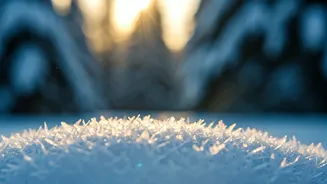
on the temperature and humidity. At temperatures near freezing (0°C or 32°F), the airborne water molecules transform, forming ice crystals around microscopic particles like dust or pollen. The hexagonal shape of snowflakes is a result of water molecules arranging themselves in a specific pattern. Each snowflake, with its unique design, grows through the process of deposition, where water vapor transforms directly into ice. This process is different from rain, where liquid water falls from clouds. The delicate structure of each snowflake reflects the atmospheric conditions during its formation. Understanding this process unveils the complexity and beauty of the common snowfall, showcasing nature's intricate artistry.
Snow's Color Variations
While most people picture snow as pure white, it can actually exhibit various hues under certain conditions. Freshly fallen snow, particularly in areas with clean air, often appears brilliantly white. However, the color can shift. When mixed with dust, soot, or algae, the snow can take on tints like brown, gray, or even reddish. The presence of these contaminants absorbs light differently, resulting in altered colors. Sunlight's interaction with the snow also contributes to its color perception. The tiny ice crystals within the snow scatter light, making it appear white. But, the same scattering can be influenced by the presence of other materials. This means that environmental factors and impurities play a critical role in shaping snow's visual characteristics, resulting in diverse appearances across different terrains.
Snow's Impact on Sound
Snow has a peculiar effect on sound, contributing to the famous 'silent' winters. Fresh snowfall dampens sounds because of its structure. The porous nature of snow, with its multitude of air pockets between the ice crystals, absorbs sound waves. As sound waves enter the snow, they bounce around in the air pockets. This results in the dissipation of sound energy, reducing the intensity and echo. This also means that, during a snowfall, sounds travel much shorter distances than they would in the absence of snow. This ability to absorb sound is why snowy landscapes often feel tranquil and peaceful. The soft quiet of the atmosphere allows for a unique sensory experience. Snow thus changes the acoustic landscape, creating a calming, serene environment.
Snow's Environmental Role
Snow holds considerable significance in the environment. It acts as an insulating blanket. This protection shields the ground and underlying vegetation from extreme cold. This blanket can also safeguard plant roots. During the thaw, snow plays a critical role in replenishing water sources. As snow melts, it slowly releases water into the soil and streams. This gradual release minimizes the risk of floods and ensures a consistent water supply throughout the growing season. Snow also affects albedo, the ability of a surface to reflect sunlight. The bright white color of snow reflects sunlight back into space. This helps cool the environment, and influences global climate patterns. Snowfall, therefore, is a vital part of the water cycle and plays a crucial role in maintaining ecosystems.
Snow and Weather Forecasting
Predicting snowfall is a complex process for meteorologists. They use a combination of observations, computer models, and atmospheric data. Key variables include temperature, humidity, and the presence of lifting mechanisms like fronts. Accurate forecasting is critical for various sectors. This includes transportation, agriculture, and public safety. Meteorologists examine weather patterns and analyze data from weather balloons, satellites, and surface stations. The models predict the formation, intensity, and duration of snowfall. However, accurately forecasting snow is difficult because weather systems are intricate. Slight variations in atmospheric conditions can lead to vastly different outcomes. Despite these challenges, meteorologists continue to improve their forecasting techniques to provide more reliable and precise information for the public.
Snow's Measurement Methods
The measurement of snow involves various techniques to quantify its characteristics. Snowfall is typically measured by its depth using a ruler or a snow stake. This indicates how much snow has fallen over a specific period. Snow water equivalent (SWE) measures the amount of water contained in a given volume of snow. This is an important parameter for hydrology and water resource management. It is found by melting a sample of snow and measuring the resulting water. Instruments like snow pillows and ultrasonic sensors are used to automate snow measurement. Snow pillows are large, fluid-filled pads that measure the weight of the snow on top of them. Ultrasonic sensors use sound waves to measure the distance to the snow surface, providing information on snow depth. Collecting this data is crucial for climate studies, and to monitor water supplies. These measurements help to forecast floods, manage water resources and research climate change.
Snow's Geological Impact
Snow and glaciers play crucial roles in shaping the Earth's surface. Snow accumulation over long periods can lead to the formation of glaciers. These massive ice formations act as powerful agents of erosion. They carve out valleys, move rocks, and reshape landscapes. Glaciers erode the land through abrasion and plucking. Abrasion occurs when the ice, embedded with rocks and sediment, scrapes against bedrock. Plucking involves the freezing and removal of rock fragments. Snowmelt also contributes to the weathering of rocks. The water seeps into cracks, freezes, and expands, causing the rock to break down. This geological activity, driven by the erosive power of snow and ice, creates the dramatic landscapes found in mountainous regions. They highlight the enduring impact of snow and ice on the Earth's environment.
Snow in Different Cultures
Snow has deep cultural significance in many societies across the world. In the Inuit cultures of the Arctic, snow is crucial to survival, and a multitude of words are used to describe it, reflecting the intimate understanding of different snow conditions. Skiing and snowboarding, popular winter sports, are rooted in cultures around snowy regions, influencing social traditions. Snow festivals and winter celebrations are common in many countries. They include traditions like ice sculpting, snow carving, and snow-themed events, drawing communities together. Snow and its related imagery often feature prominently in art, literature, and folklore. They serve as symbols of purity, transformation, and the beauty of nature. The presence of snow influences architecture, clothing, and lifestyle, showing how snow has been integrated into diverse human cultures worldwide.
Snow's Impact on Wildlife
Snow impacts animal life in significant ways. Many animals have adapted to survive in snowy environments through various means. Some animals change their behavior or physical appearance during winter. For example, some animals grow thicker fur or change their fur color to camouflage in snowy landscapes. Others, like bears, hibernate, reducing their activity and metabolic rate. Some animals migrate to warmer regions to avoid the harsh conditions. Snow cover also influences food availability for wildlife. It covers vegetation, reducing food access. Some animals rely on stored food reserves or utilize different foraging strategies during the winter. Animals adapted to snowy habitats include the Arctic fox, the snowshoe hare, and various birds. The interactions between snow and wildlife demonstrate the impact of environmental factors on ecosystems.
Snow's Economic Effects
Snow has a notable impact on different economies. The tourism industry benefits from snowfall, especially in regions with ski resorts and winter sports activities. The winter sports industry generates substantial revenue through activities such as skiing, snowboarding, and snowmobiling. Snow removal and management also create economic activity, providing jobs and services related to snow plowing, de-icing, and snow removal equipment. However, heavy snowfall can also disrupt economic activities. Snowstorms can close roads, disrupt transportation networks, and damage infrastructure, leading to economic losses. The cost of snow removal, road maintenance, and disaster relief can also place a strain on government budgets. The effects are multifaceted, reflecting the interplay between weather events, human activities, and the economic landscape.