





Early Universe Glimpses
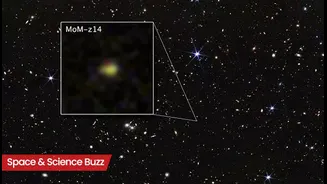
JWST's advanced capabilities have enabled it to observe the universe's initial stages with unprecedented clarity. By analyzing light from the earliest
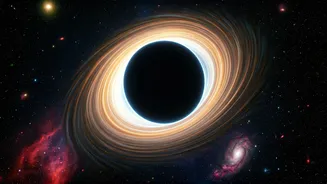
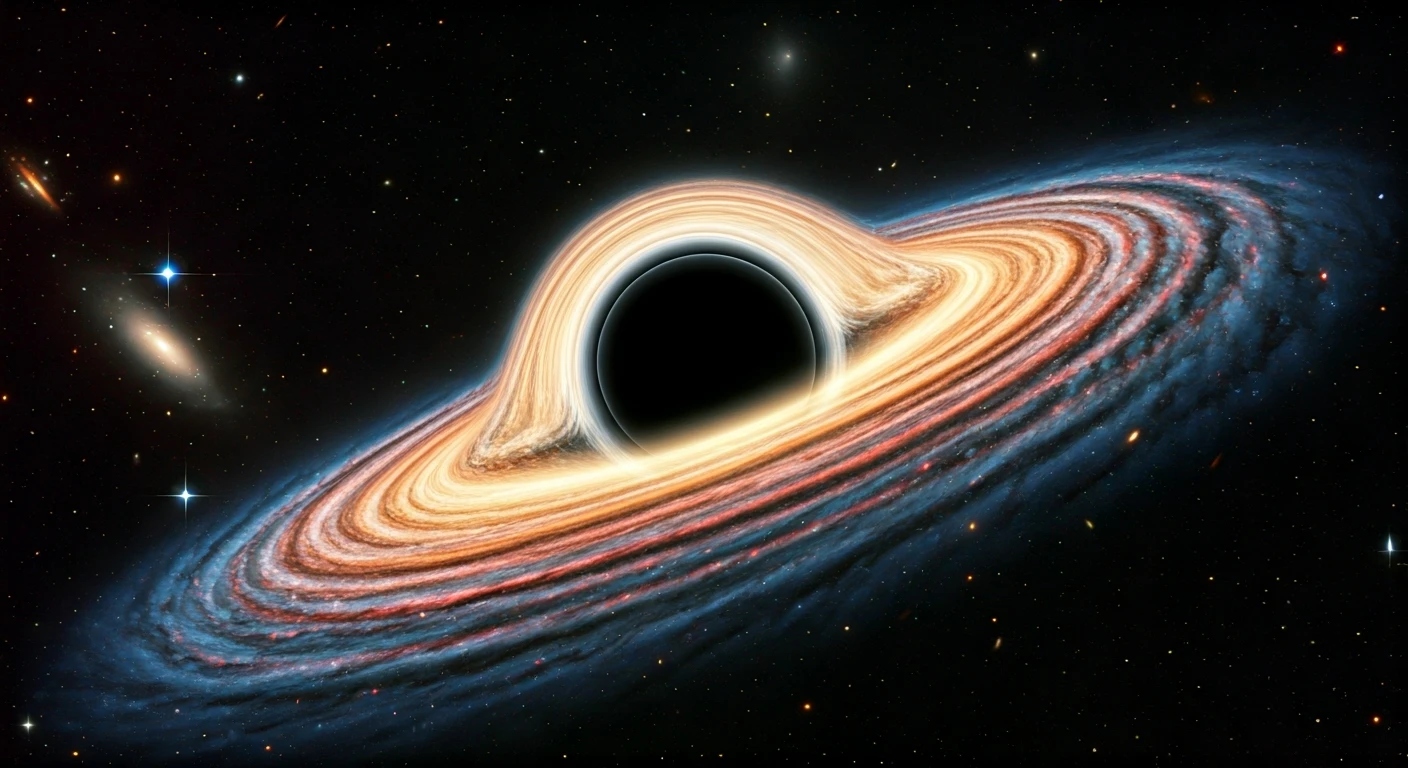
galaxies, astronomers have been able to probe the environments where the first supermassive black holes took shape. These observations are crucial for understanding how these colossal objects formed so early in the universe's history. These black holes, residing at the centers of galaxies, wield immense gravitational influence, and their presence significantly affects the formation and evolution of their host galaxies. The findings indicate that the formation of supermassive black holes in the early universe was a rapid and dynamic process, challenging previous models and offering fresh perspectives on galaxy evolution. This offers crucial data for refining current theories about the evolution of galaxies and the role of supermassive black holes.
Black Hole Origins
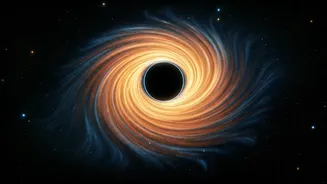
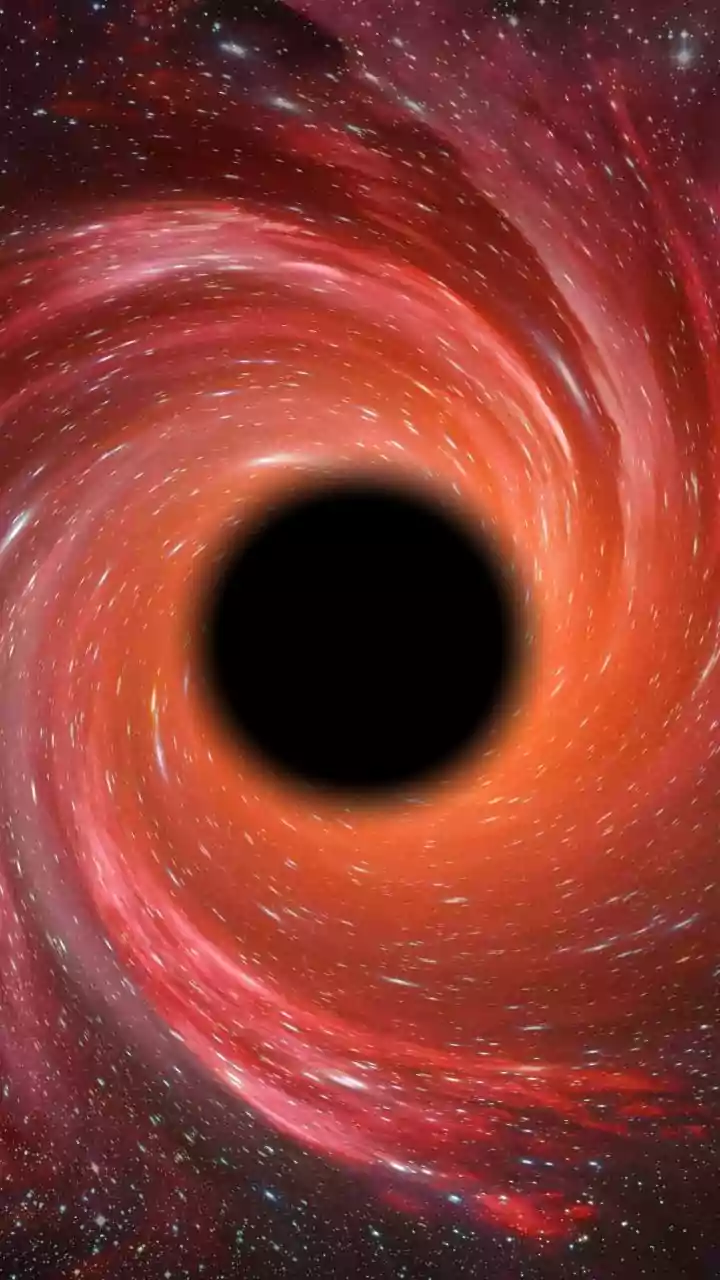
The research provides key insights into how supermassive black holes formed so quickly after the Big Bang. Multiple theories have been proposed to explain their origin, including direct collapse of massive stars, mergers of smaller black holes, and accretion of vast amounts of gas and dust. JWST's data helps to narrow down these possibilities, revealing that the first black holes may have formed in environments with abundant gas and intense star formation. Understanding the initial conditions that facilitated black hole formation is vital for reconstructing the history of the universe. JWST's detailed observations of the early universe's regions have revealed that black holes began their existence in exceptionally dense and energetic environments. The telescope can also observe through dust clouds that would have obscured previous telescopes, providing unprecedented clarity.
Impact on Galaxies
The existence of supermassive black holes has a significant impact on galaxy formation and evolution. The immense gravity of black holes can influence the rate of star formation, the shape of galaxies, and the behavior of interstellar gas. As black holes consume matter, they release tremendous energy, impacting the surrounding galaxies. The outflows from these black holes, known as active galactic nuclei, can either suppress or trigger star formation, depending on the conditions. JWST's observations have helped researchers understand the interplay between black holes and their host galaxies, revealing how they co-evolve over billions of years. This knowledge is crucial for constructing models of galaxy evolution and predicting the future of our universe. The data also suggest that the growth of black holes and the evolution of galaxies are interconnected processes.
Future Research Avenues
JWST continues to gather new data, which is set to enhance our knowledge of supermassive black holes and the early universe. Upcoming research is likely to concentrate on analyzing the composition of the gas surrounding black holes and observing the merging of black holes. Combining JWST data with observations from other telescopes, such as the Chandra X-ray Observatory and the Atacama Large Millimeter/submillimeter Array (ALMA), will offer a more complete picture of these celestial objects. The goal is to develop more refined models of black hole formation and to investigate their impact on the large-scale structure of the universe. The ongoing analysis of data collected by JWST promises to uncover new details, reshaping our current understanding of the cosmos. Further studies will aim to decipher the processes that gave rise to the first black holes, including the role of dark matter.