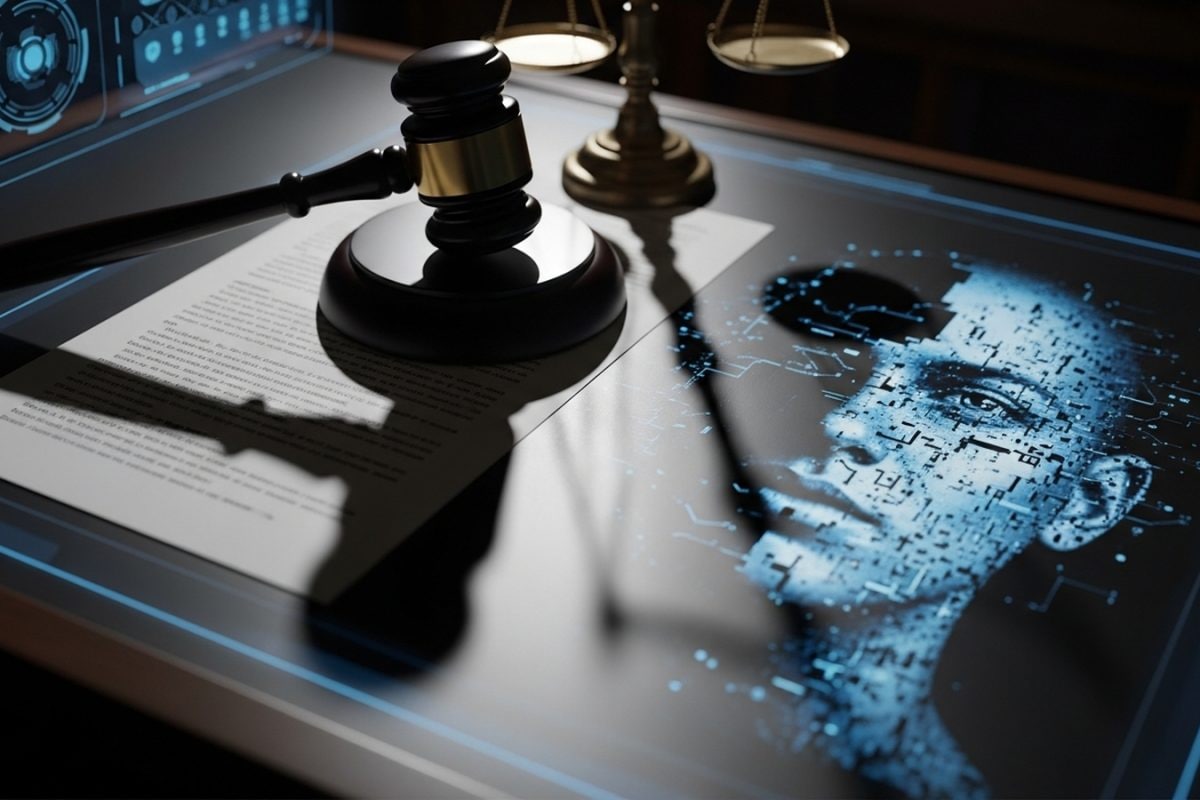








The Deepfake Challenge
The rapid proliferation of deepfake technology presents a significant dilemma, enabling sophisticated impersonation in increasingly accessible and cost-effective
ways. Experts at The Hindu Tech Summit 2026 highlighted how artificial intelligence has made creating fake audio and video content simpler than ever before. This democratization of deception means that individuals or malicious actors can generate convincing counterfeit media with relative ease, posing a substantial risk across various sectors. The challenge lies not only in the creation but also in the potential for widespread misuse, from spreading misinformation to committing fraud. Addressing this evolving threat requires a multi-faceted approach that goes beyond simply identifying a single piece of manipulated content.
Technological Countermeasures
Fortunately, as deepfake capabilities advance, so too do the technological defenses designed to detect and neutralize them. Industry leaders discussed how analyzing a confluence of subtle indicators, rather than relying on a solitary image or video clip, is crucial for accurate identification. Solutions like multi-factor authentication serve as a primary line of defense against deepfake-driven fraudulent activities, adding layers of verification that are harder for fakes to bypass. The ongoing development in cybersecurity aims to keep pace with the sophisticated nature of AI-generated content. This evolutionary process necessitates continuous innovation and adaptation from technology providers and security professionals alike.
Human Element & Awareness
Beyond technological solutions, the human element plays an indispensable role in combating the deepfake menace. Panelists stressed the critical importance of public awareness campaigns to educate individuals about the existence and potential dangers of deepfakes. Moreover, upskilling human resources to understand and manage increasingly intelligent AI is paramount. In sectors like banking, users are being actively trained to exercise caution with unverified sources, and robust authentication algorithms are being integrated into transactions. Organizations must also proactively train their employees and customers to recognize the tell-tale signs of deepfake threats, fostering a more resilient information security environment from the ground up.
Corporate Defense Strategies
Corporate leadership is increasingly recognizing the tangible impact of deepfakes on business operations and are integrating cybersecurity tools into their strategic decision-making. To secure necessary funding and support for cybersecurity initiatives, these proposals must be framed in clear business terms, demonstrating measurable outcomes and a compelling return on investment. The adoption of appropriate technologies is fundamental to safeguarding critical infrastructure and operational environments. Forward-thinking managements are shifting focus from mere recovery plans to detailed metrics like 'mean time to mitigate' and 'mean time to contain' incidents, indicating a proactive stance in assessing and strengthening their cyber resilience frameworks and maturity levels.
Continuous Monitoring and Validation
In the ongoing battle against cyber threats, where AI is employed by both attackers and defenders, continuous human oversight remains vital. The panelists emphasized the necessity of persistent monitoring and robust traceability mechanisms. These systems, bolstered by established benchmarks for data validation, are essential for countering sophisticated threats such as data poisoning. By maintaining vigilant observation and ensuring the integrity of data through rigorous validation processes, organizations can significantly enhance their ability to detect and respond to evolving cyber risks, including those posed by advanced deepfake technologies.